
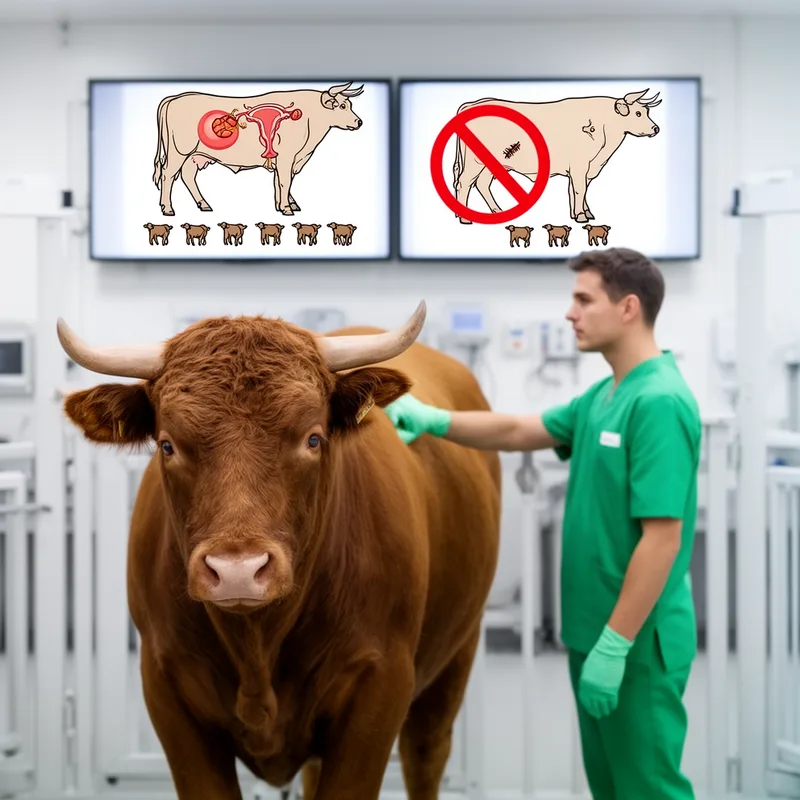
castrated
- adjective
- /ˈkæstreɪtɪd/
- NSFW
- Abelard was famously castrated for his love affair with Eloise.
Loading YouTube…
Watch on YouTubeAnd in Italy they'll call a castrated lamb like a castrato.
- And in Italy they'll call a castrated lamb like a castrato.
- So that's a male castrated chicken that has been fattened up for sacrifice.
Examples
-
So that's a male castrated chicken that has been fattened up for sacrifice.
-
Many farmers choose to keep their male livestock castrated to prevent unwanted breeding.
-
All men to die and be castrated, OK.
-
His son is due to be castrated in May.
-
His son is due to be castrated in May.
-
And in Italy they'll call a castrated lamb like a castrato.
-
The veterinarian explained that the castrated dog would be less aggressive and calmer.
-
After being castrated, the rooster no longer attempted to crow at dawn.
Synonyms

Of a male animal that has had its testicles removed

A male animal that has had its testicles removed

A male animal that has had its testicles removed

An animal with the body parts that make babies removed so it cannot have young
Made unable to have babies or young by an operation

Unable to have babies because of surgery
Antonyms

- Specialized
An animal, usually a male, that still has its testicles and can father young
Surface Forms
Morphology
Etymology
Castrated comes from the Latin verb castrare, which meant 'to cut off the testicles', so it originally named animals or people who had their sex organs removed. That's why castrated today can mean the physical loss of the power to reproduce and, by extension, being left 'weakened' or losing power.

