
to capacitate
- verb
- /kəˈpæsɪˌteɪt/
- Specialized
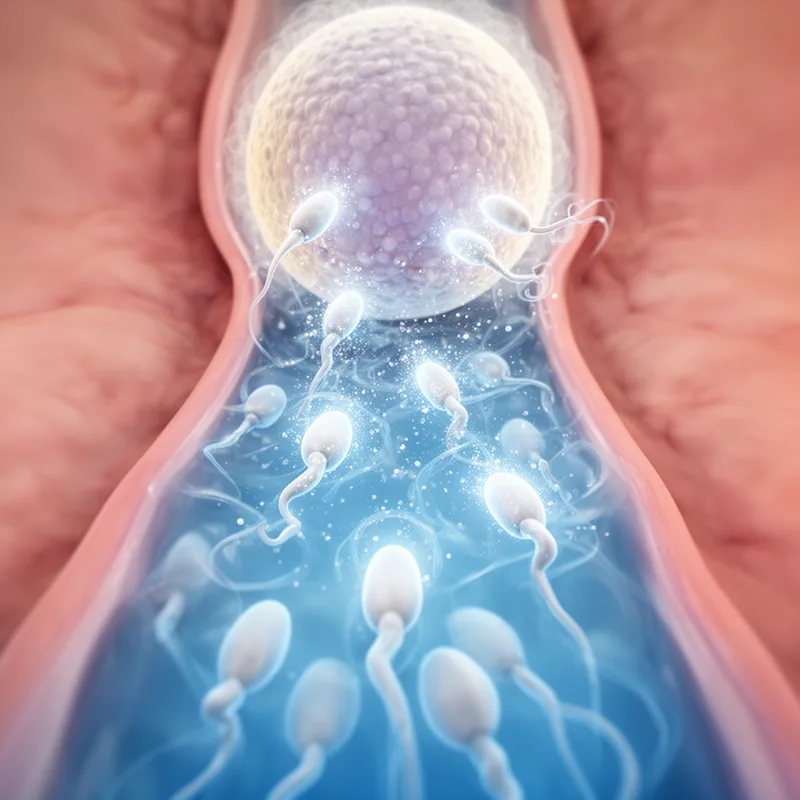
- Mature sperm must capacitate in the female reproductive tract before they can fertilize an egg.
Examples
-
Sperm must capacitate before they can fertilize an egg.
-
The process of capacitating sperm is crucial for successful fertilization.
-
Certain chemicals in the oviductal fluid help to capacitate the sperm.
-
Without proper capacitateion, fertilization cannot occur.
-
Certain chemicals in the oviductal fluid help to capacitate the sperm, enabling it to fertilize an egg.
-
Mature sperm must capacitate within the female reproductive tract to achieve the changes necessary for fertilization.
-
For fertilization to occur, sperm must capacitate to undergo the physical changes required.
Surface Forms
Morphology
Etymology
Capacitate in biology uses the same idea as capacity and capable, meaning 'able'; it describes the physical changes that make sperm 'able' to fertilize an egg. So to capacitate sperm is to give them the ability they need to do their job.

