
canonical
 5
7.0
5
7.0

- adjective
- /kəˈnænɪkəl/
- Texting
- With the advent of the canonical tag, all the worries about duplicate URLs vanish in thin air.
Examples
-
So it makes sense to use the page number in the canonical URL.
Blog text (31) -
Can this link tag be used to suggest a canonical URL on a completely different domain?
Blog text (31) -
What if there is no link to the canonical page in the site itself?
Blog text (31) -
Is it still okay to use it as a canonical, even if no link points to it?
Blog text (31) -
What happens if the canonical tag is put on the preferred page?
Blog text (31) -
First, let's discuss what the rel canonical tag is and why it is needed.
Blog text (12) -
After your content containing rel="canonical" information is crawled, the process can take effect for your site.
Blog text (31) -
The canonical URL serves as the main reference for search engines to avoid duplicate content issues.
-
Using a canonical tag helps search engines identify the preferred version of a web page for indexing.
-
Webmasters often set a canonical link to ensure that the correct page is prioritized in search results.
Synonyms
 29
6.1
29
6.1
A book or study that is the most complete and respected on a subject
Compounds

- Formal
One of seven fixed times for prayer during the day in the Roman Catholic Church
How Preferred

Surface Forms
Morphology
Etymology
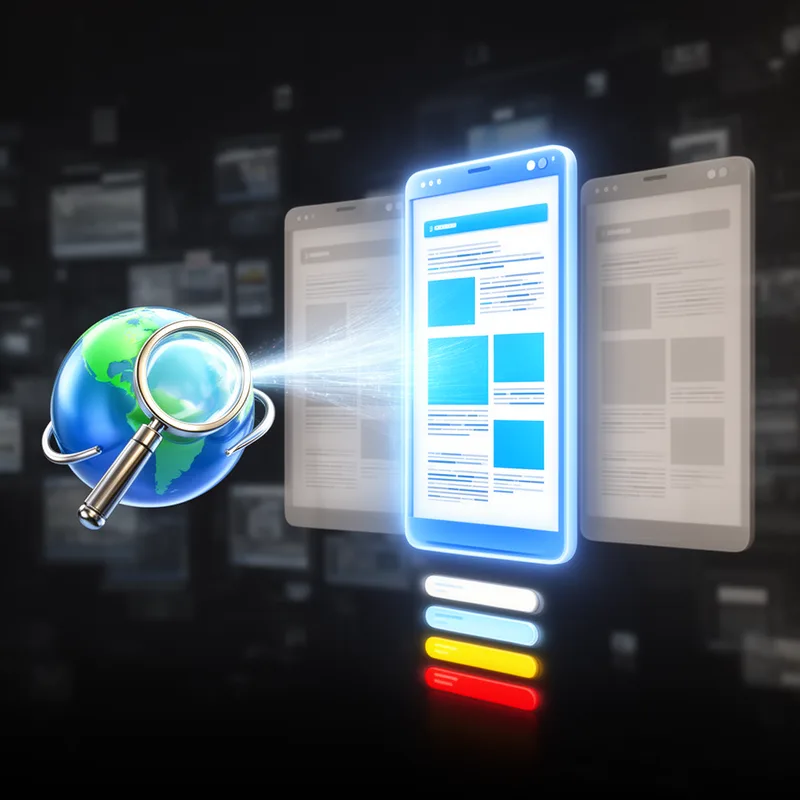
Canonical comes from Greek kanon meaning a 'rule', and online it keeps that sense of a single, preferred version. A 'canonical' web page or web address is the one you name as the official or 'preferred' page for search engines.