
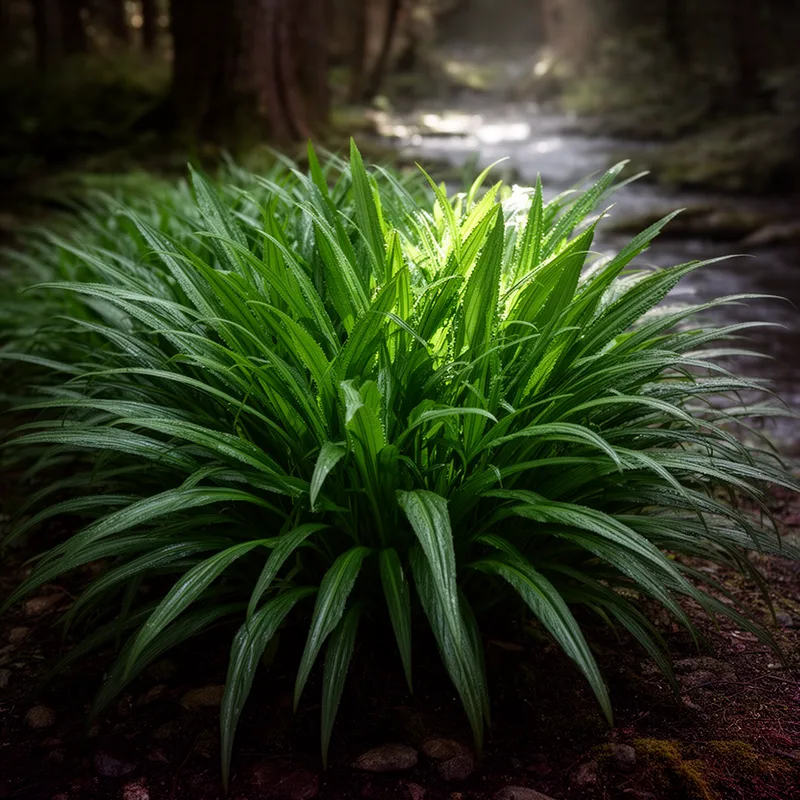
canker brake
- noun
- /ˈkæŋkər breɪk/
- US
- During our hike, we spotted a patch of canker brake thriving in the moist soil.
Examples
-
Botanists identified the unusual fern in the forest as a canker brake.
-
The shady bank beside the stream was covered with lush canker brake.
-
The canker brake thrives in shaded areas.
-
Look at that canker brake!
-
During our hike, we spotted a patch of canker brake thriving in the moist soil.
-
Botanists identified the unusual fern in the forest as a canker brake.
-
The shady bank beside the stream was covered with lush canker brake.
Synonyms


 1
9.9
A North American fern that stays green in winter and has long divided leaves
 1
9.9
An evergreen fern from North America with long feather-like leaves that makes good ground cover

An evergreen fern with long narrow pointed leaves
Surface Forms
Morphology
Although 'brake' (a patch or growth of ferns) gives a clue that the phrase relates to ferns, the compound 'canker brake' is a lexicalized botanical name and 'canker' (a disease) does not transparently describe the species' evergreen pinnate leaves. A B1 learner who knows both constituents would likely misinterpret it (e.g. as a diseased fern) or fail to derive the specific botanical meaning, so the expression is not predictable from its parts.
Etymology
Canker brake may come from old words: brake once meant 'fern' and canker meant a 'sore' or plant 'disease'. So the name gives the image of a fern with spots or damage, which is why it refers to a type of fern today.