

calendrical
 1
8.4

- adjective
- /kəˈlɛndrɪkəl/
- Specialized
- The ancient Egyptians developed a complicated calendrical system to keep track of the flooding of the Nile.
- calendrical system
- calendrical ritual
- calendrical point
Loading YouTube…
Watch on YouTubeSo what you think is this special moment happening in some cosmic calendrical way is not.
- So what you think is this special moment happening in some cosmic calendrical way is not.
Examples
-
Perhaps the most interesting implication of these findings is that the calendrical innovations predated the Aztecs by a full three centuries.
Academic text (1992) -
There can be little doubt that the unique calendrical creations of the Toltecs and Aztecs grew directly from their geography and history.
Academic text (1992) -
Coming as it does a week after Holocaust Memorial Day, the calendrical point requires no emphasis.
Academic text (2010) -
All calendrical systems start at an imagined beginning of the world or with the birth of a primary deity.
Academic text (2000) -
We must take biblical history into account when considering secular calendrical efforts and what time, years, and days meant in prophecy.
Blog text (11) -
Order is quite literally in the hands of Chaos, and the calendrical year offers but a flimsy stability at best.
Blog text (9) -
The indigenous understanding of a life stage will necessarily look different in societies that do not emphasize fixed calendrical points as determinative.
Academic text (2000) -
At the same time, colonists comforted themselves with English calendrical practices meant to overcome their marginalization.
Academic text (2007) -
As in much of rural Latin America prior to Vatican II, local religion in Chimborazo revolved around calendrical fiestas, especially feasts honoring local patron saints.
Academic text (2001) -
Routine homage to Wang Yulan is reminiscent of the official cults in imperial times, when local officials participated in the calendrical rituals to state-sanctioned deities.
Academic text (2009)
Synonyms

 1
8.8
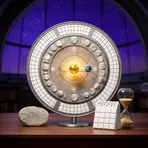
Relating to calendars or how people measure time
Surface Forms
Morphology
Etymology
Calendrical comes from calendar, which comes from the old Latin word kalendae meaning 'the first day of the month' and linked to calare meaning 'to call', because Romans would announce the start of each month. So calendrical describes things that belong to the calendar or how we tell time.