
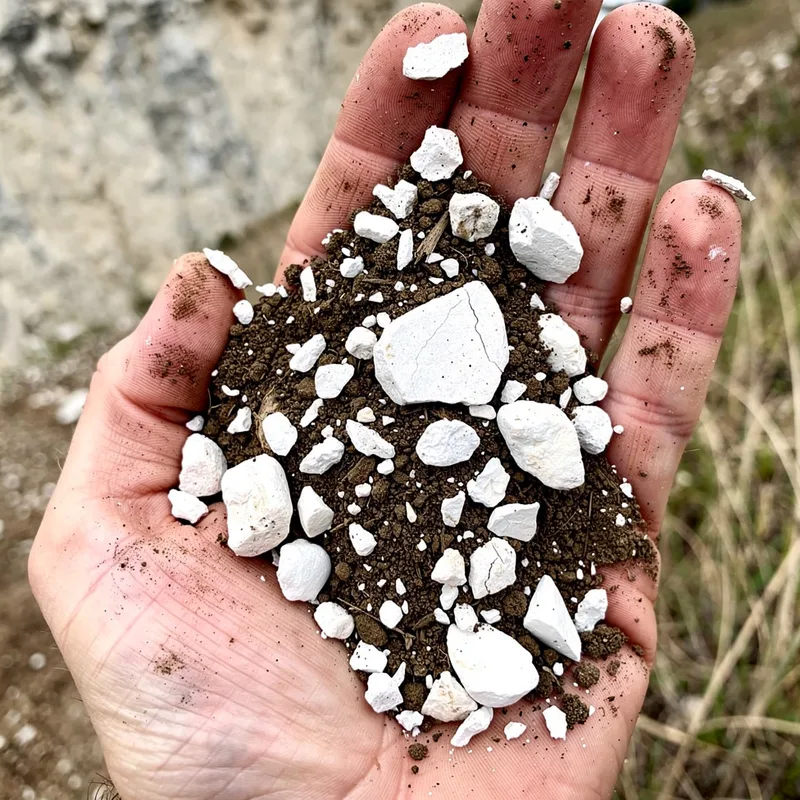
calcareous
 2
8.9
2
8.9

- adjective
- /kælˈkɛr.i.əs/
- Specialized
- To avoid recurrent Zn phytotoxicity, substantial residual limestone equivalent needs to remain in the surface 30 cm of the soil profile to keep the soil calcareous.
- calcareous grassland
Examples
-
The architects specified calcareous materials for the new building to ensure durability.
-
PNL was also apparent in experiments examining the CO2 responses of a calcareous grassland in Switzerland and of a scrub oak woodland in Florida.
Academic text (2004) -
However, experts from France who inspected the area opposed the construction because the land itself was calcareous and unstable.
Blog text (28) -
It was hard, slightly calcareous, and resembled a vegetable pod.
Academic text (1996) -
And the vineyard subsoil is calcareous chalk.
-
Small pieces of limestone, calcareous shale, and flint littered the soil.
Academic text (1995) -
Some of the rock itself was yellow calcareous algae, which extracts calcium that is dissolved in the sea and combines it with carbon dioxide to form calcium carbonate.
Academic text (1992) -
The soil in the garden is mostly calcareous, which helps the plants grow well.
-
They discovered fossils embedded in calcareous rock along the cliffside.
Synonyms
 5
4.2
5
4.2
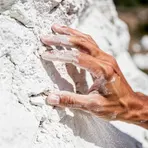
A dry, powdery feel that often leaves white dust
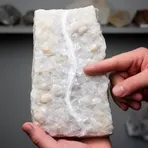
Containing a lot of the mineral calcite
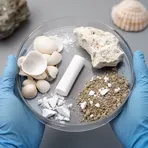
Containing calcium, for example in chalk or shells

Containing calcium, a mineral found in bones and shells
How Calcareous

Surface Forms
Morphology
calcareous = calcium (semi-transparent) = calcare + ous
The adjective is formed with the productive suffix '-ous' but the root 'calcare-' is a Latin combining form (not a standalone modern English word), so the connection to 'calcium'/'chalk' may be recognizable to some learners but is not fully transparent.
Etymology
Calcareous comes from the Latin root calx, which means 'lime' or 'chalk' and is the same root as calcium. So calcareous describes rocks, soils, or shells that are made of or like lime/chalk, which explains why they contain a lot of calcium.