

cainogenesis
- noun
- Specialized
- The emergence of the placenta in mammals is an example of cainogenesis.
Examples
-
Some researchers study cainogenesis to understand evolutionary innovation in species.
-
Cainogenesis contrasts with the repetition of ancestral traits during embryonic development.
-
The study of cainogenesis reveals how species adapt over time.
-
Researchers are investigating cainogenesis in various species.
-
The emergence of the placenta in mammals is a well-known example of cainogenesis.
-
Some researchers study cainogenesis to explore how new structures develop in different species.
-
Cainogenesis is important for understanding how animals develop features absent in their ancestors.
Synonyms

New body parts that develop while an embryo grows but were not in its ancestors
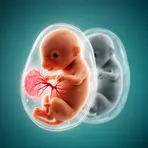
A development in an embryo when it makes new body parts not seen in earlier members of the species

The development of new body parts or traits in an embryo that ancestors do not have
Surface Forms
Morphology
Etymology
Cainogenesis comes from Greek parts kaino- meaning 'new' and -genesis meaning 'birth' or 'origin', the same 'gen' in generate. Imagine an embryo growing a brand-new part it did not have before; so cainogenesis means the appearance or origin of new features during development.

