

caenogenesis
- noun
- /ˌsiːnəˈdʒɛnɪsɪs/
- Specialized
- The evolution of the placenta in mammals is a prime example of caenogenesis, as it introduces new structures absent in their ancestors.
Examples
-
Some scientists argue that placental evolution in mammals can be understood through the concept of caenogenesis.
-
Because caenogenesis adds new features not found in ancestors, it plays a crucial role in evolutionary development.
-
The development of a yolk sac in mammals is an example of caenogenesis in evolutionary history.
-
The concept of caenogenesis is crucial in understanding mammalian evolution.
-
Researchers are studying caenogeneses in various species.
-
In studying caenogenesis, researchers discovered how certain mammals developed unique features that enhance their survival.
-
The phenomenon of caenogenesis illustrates how species can acquire novel adaptations within their evolutionary timelines.
Synonyms
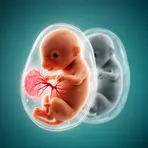
A development in an embryo when it makes new body parts not seen in earlier members of the species
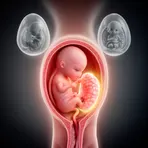
The embryo develops new body features that its ancestors did not have

The development of new body parts or traits in an embryo that ancestors do not have
Antonyms

Surface Forms
Morphology
Etymology
Caenogenesis comes from two Greek parts: caeno- meaning 'new' and -genesis meaning 'birth' or 'origin', the same idea you see in genesis and generate. So, caenogenesis is the 'birth' or appearance of new features during an embryo's development, which is why scientists use it for new structures like the placenta.

