
caballero
 1
8.8
1
8.8

- noun
- /ˌkæbəˈlɛroʊ/
- In the sixteenth century, owning and riding a horse (caballo) was a privilege of the conquistadores and other elite males regarded as true caballeros or gentlemen.
- damas y caballeros
- caballeros or gentlemen
Loading YouTube…
Watch on YouTubeYou know, shout out all of the Mexicanos, MI amigos, MI caballeros.
- You know, shout out all of the Mexicanos, MI amigos, MI caballeros.
Examples
-
Don Alejandro is the leader of the caballeros.
-
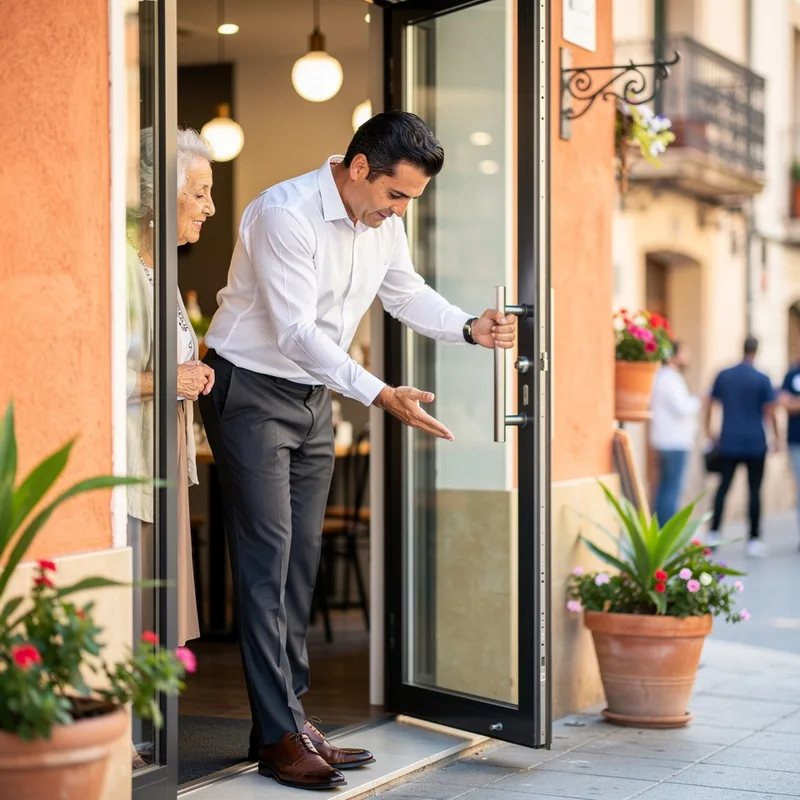
The caballero gracefully offered his arm to the lady, displaying the true spirit of chivalry.
-
- Another cup of wine, caballero.
-
- Save it until later, caballero.
-
- To your health, caballero.
-
- Thank you again, caballero.
-
It's not every day we have the honor of serving a caballero at the Rosario Inn.
-
Who's the lucky caballero?
-
- Howdy, caballeros.
-
In Spain at the time of the conquest, "caballero" was the term for gentleman; the term still applies to charros who are expected to exhibit propriety and panache in all their public acts.
Academic text (1994)
Synonyms
 3
8.3
3
8.3
A polite man who pays attention to women and shows old-fashioned manners

A person who acts with honor and dignity
How Courteous
1
8.8
 ∞
1.4
∞
1.4
Surface Forms
Etymology
Caballero comes from the Spanish caballo 'horse', the same root as cavalry. A helpful way to remember it is that men who owned horses had more power and respect, so caballero came to mean a polite, chivalrous gentleman.