

bygone
 33
6.7
33
6.7

- noun
- /ˈbaɪˌɡɔn/
- What do you say we just let bygones be bygones?
- let bygones be bygones
Loading YouTube…
Watch on YouTubeLet's focus on planning the Disneyland trip and let bygones be bygones.
- Let's focus on planning the Disneyland trip and let bygones be bygones.
- When forgiveness or idiocy like Let Bygones be Bygones comes up, there is a danger of therapy becoming a place of enabling.
Examples
-
Graduation-party nostalgia brought them back together that night, where they let bygones be bygones, forgiving the small betrayals.
Fiction book (1996) -
What do you say we let bygones be bygones?
-
"I really was willing to let bygones be bygones.
-
Junior, look, hand over the baby, and we'll let bygones be bygones.
-
You know, let bygones be bygones.
-
Or we could let bygones be bygones and just let them go.
Blog text (28) -
We'll just let bygones be bygones.
Fiction book (1990) -
However, I'm willing to let bygones be bygones if you are.
-
I propose we let bygones be bygones.
Fiction book (1998) -
After their dispute, they decided to focus on the future and leave bygones in the past.
Synonyms
 29
3.8
29
3.8
Something that people do not use or think about anymore
 9
4.4
9
4.4
A past event or fact that many people no longer care about
 8
3.9
8
3.9
Something that happened in the past and is no longer important
 2
7.2
2
7.2
An object, custom, or idea from long ago that seems out of date
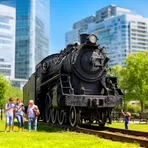
An old object that reminds people of an earlier time

Ideas or things people now see as old and useless
Compounds
How Recent

Surface Forms
Morphology
Etymology
Bygones (the noun form) comes from by + gone, meaning 'gone by', and was used for things that have already passed. So, calling something a bygone means it is in the past and not important now.