

bounce
 13
6.4
13
6.4

- noun
- /baʊns/
- Jargon
- After analyzing the metrics, the team realized the bounce from last month's traffic was due to irrelevant ads.
Examples
-
To improve user engagement, they focused on reducing the bounce by adding more valuable content to their landing pages.
-
Simply put, find out the reason for your high bounce rate and fix it.
Blog text (32) -
A website can be created and designed so that it has a very low bounce rate.
Blog text (23) -
In addition to this, I think the page bounce rate somehow affects the quality score of keywords.
Blog text (32) -
A design also greatly affects the bounce rate; this can also turn your blog's new visitors into returning visitors.
Blog text (15) -
Some analysts say part of President Obama's post-convention "bounce" can be credited to former President Clinton's speech last week.
Blog text (28) -
The website had a high bounce rate, indicating that many visitors left after viewing just one page.
Antonyms

Idioms


 1
7.4
1
7.4
Just after something hits the ground and comes back up, or immediately without delay

Compounds




How Engaged

Surface Forms
Etymology
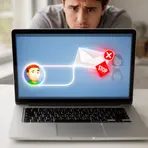
Bounce in web analytics is a modern metaphor from the ball image: a visitor who sees one page and then leaves is said to 'bounce' because they hit the page and go away, just like a ball that hits a surface and leaves.