
to block up
 4
3.8
4
3.8

- phrasal verb
- /blɑk ʌp/
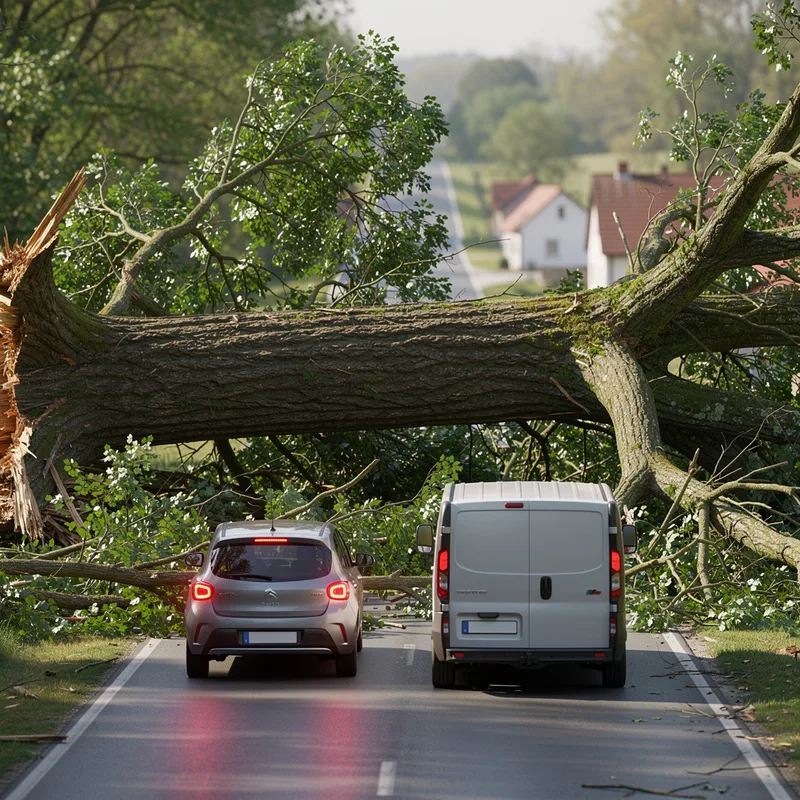
- After the storm, fallen trees completely blocked up the road, making it impassable.
- blocked up the doorway
- block up the hall
- blocked up the windows
Loading YouTube…
Watch on YouTubeSo I once it's not funny, but once I bruised because I wanted to get some shit up my nose, it was all blocked up.
- So I once it's not funny, but once I bruised because I wanted to get some shit up my nose, it was all blocked up.
Examples
-
Many of its arched windows were blocked up, its balconies crumbling.
Academic text (2012) -
Right, sir, well traffic round Westminster's all blocked up, no chance, you'll have to take a tube.
-
As soon as we're gone, block up this run and get everyone back behind the wall.
-
Block up both ends of the street.
-
Or it could block up your main drain for the entire house.
Blog text (30) -
Flushing the wrong item just once could possibly block up the toilet.
Blog text (30) -
They blocked it up with stones.
Fiction book (1996) -
There were so many fans that the campers were beginning to block up the bus lane and disrupt the people of the city.
Blog text (3) -
Block up the river.
-
The firefighters blocked up the entrance of the building to prevent anyone from entering.
Synonyms
 ∞
3.0
∞
3.0
To stop movement, access, or progress
 119
5.1
119
5.1
To block a path or view
 42
4.8
42
4.8
To stop people from entering a place by putting up a barrier
 24
3.9
24
3.9
Stop people or vehicles from entering a place
 23
3.8
23
3.8
Close a road, path or entrance so people cannot go through
 21
3.2
21
3.2
To block a pipe or passage so flow stops
 14
3.0
14
3.0
To stop light, sound, or air from coming in
 9
6.0
9
6.0
To stop people and goods entering or leaving a place, often during war
 9
3.7
9
3.7
To block a drain or road so things cannot move through it
 7
2.8
7
2.8
To block a path or entrance by placing something across it
 6
6.4
6
6.4
To stop a supply by blocking its source or flow
 5
8.4
5
8.4
Block an opening to stop the flow of liquid or air
 3
4.6
3
4.6
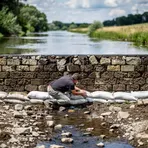
To stop the flow of water or feelings by building a wall
 1
4.6
1
4.6
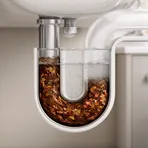
Block a hole, pipe, or crack so nothing can pass through

 1
5.8
1
5.8
To block a pipe or drain so water cannot pass through
 1
5.3
1
5.3
To block or fill a place so things cannot move through it
 1
7.5
1
7.5
To stop something from moving by putting a block against it
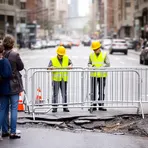
To block a place so people cannot enter, often by putting up a fence

To block an opening to stop liquid or gas passing through

Surrounding a port with ships to stop ships entering or leaving

To become blocked or cause a block by dirt and grease
Antonyms

How Blocked
457
2.5
 4
3.8
66
1.9
21
3.2
119
5.1
361
3.1
4
3.8
66
1.9
21
3.2
119
5.1
361
3.1
Surface Forms
Morphology
block + up
The meaning 'to make something completely obstructed' is transparently built from 'block' (to stop or obstruct) plus the particle 'up', which here signals completion or intensification. This verb+particle composition follows a common, predictable English pattern that a B1 learner who knows the constituents would readily infer.
Etymology
Block up comes from the simple image of putting something across a road, pipe, or opening so nothing can get through. If you block a path or pile things up in a chimney, you stop the way, so it now means 'to stop anything from getting through'.