
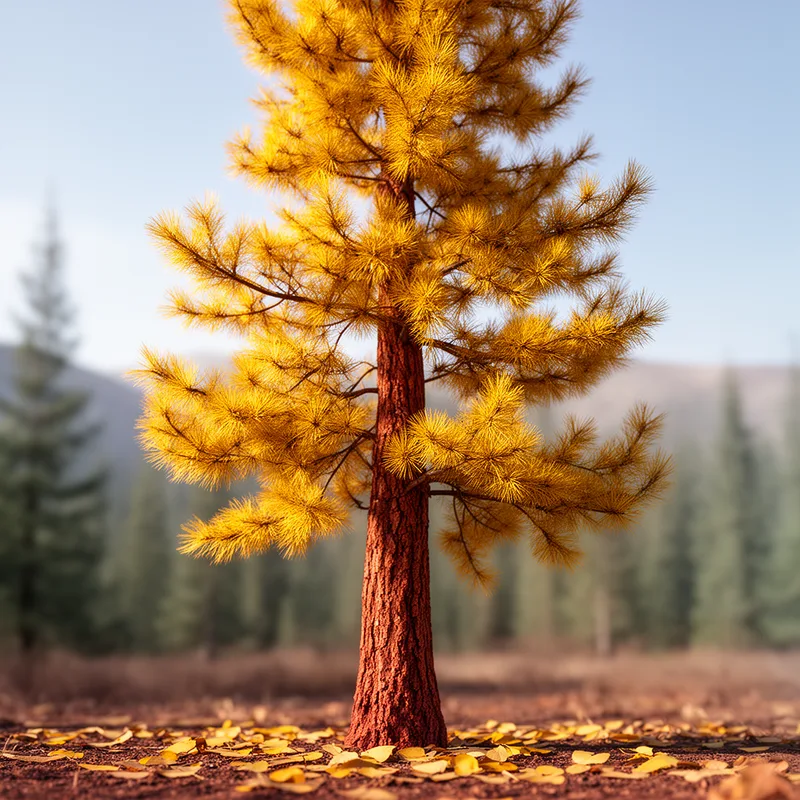
black larch
- noun
- /blæk lɑːrtʃ/
- US
- The black larch is known for its distinctive rust-brown bark and soft needles.
Examples
-
Scientists are studying how climate change affects the habitat of the black larch in Alaska.
-
The black larch can grow up to 80 feet tall.
-
During autumn, the needles of the black larch turn a brilliant yellow before they fall.
-
I saw a black larch in the park yesterday.
-
In the forest, the tall black larch stood out with its broad conic crown, making it easy to identify.
-
The black larch thrives in cold climates and is a common sight in northern Canada.
-
Every fall, the black larch captivates visitors as its needles change color to a vibrant yellow.
Synonyms
 1
9.9
1
9.9

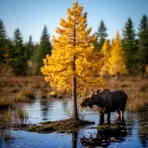
A medium-sized tree with short needles that turn yellow in autumn and grows in wet places

A medium-sized northern tree like a small pine that turns golden in autumn
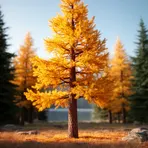
A medium-sized tree from Canada and northern United States with scaly brown bark and golden-yellow leaves in autumn
Surface Forms
Morphology
This is a straightforward adjective + noun naming: 'black' modifies 'larch', so the meaning ('a larch tree that is black/dark' or a larch species called black larch) is directly derivable from the constituents. The compositional pattern is regular in English (and similar across many languages), so a B1 learner who knows both words will readily understand the MWE.
Etymology
Black larch comes from a simple picture: a larch tree with a darker, rust-brown trunk or bark standing in northern forests. People used black to point out this darker look, so the name now means that particular 'tree'.