
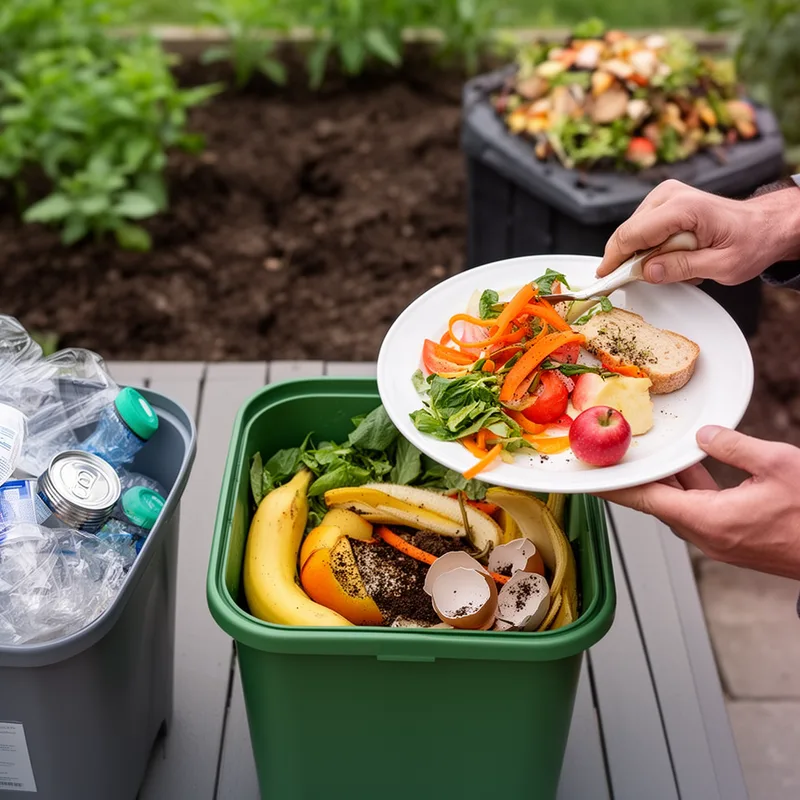
biowaste
- noun
- /ˈbaɪoʊˌweɪst/
- Households separate biowaste into special bins to make compost for their gardens.
- biowaste composting
- tons of biowaste
- households separate biowaste
Examples
-
Composting is the primary treatment option for transforming biowaste into a soil conditioner.
Academic text (1998) -
The generation rate for biowaste differs greatly by region and the rural or urban characteristics of the community.
Academic text (1998) -
All plants process residential biowaste; two also take a commercial stream.
Academic text (2000) -
Commercial and industrial establishments also separate biowaste from other solid waste.
Academic text (1998) -
Separate packer trucks collect the biowaste and transport it to the facility.
Academic text (1998) -
Households separate biowaste and store it in either degradable plastic or kraft paper bags.
Academic text (1998) -
The unexpectedly high odor potential of the biowaste was underestimated.
Academic text (1998) -
Composting and other biological treatment methods are preferred options for managing biowaste and biosolids in Norway.
Academic text (1998) -
The biowaste separation program is part of a "three-stream sort" that includes containers for biowaste, recyclables, and the remaining fraction.
Academic text (1998) -
Norwegian biowaste has a large proportion of food residuals relative to yard trimmings.
Academic text (1998)
Synonyms
 23
4.5
23
4.5

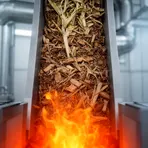
Plant or animal material burned to make energy
How Biodegradable

Surface Forms
Morphology
Etymology
Biowaste is made of bio- 'life', as in biology, and waste 'rubbish', so it means organic leftovers from plants or animals. That is why cities collect biowaste for compost or to turn into natural fertilizer or energy.