
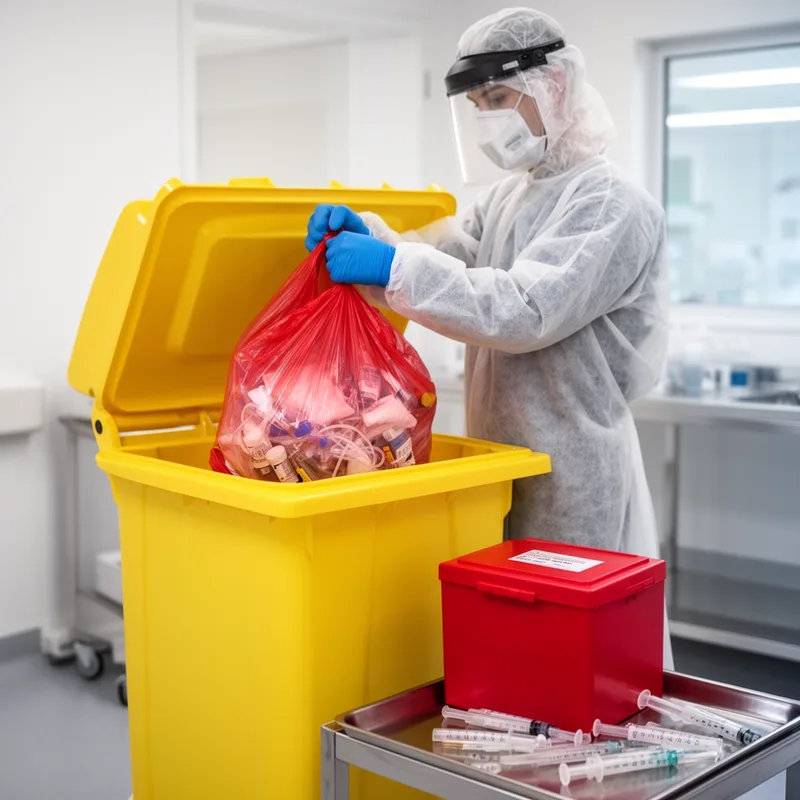
biowaste


 1
5.8
1
5.8
- noun
- /ˈbaɪoʊˌweɪst/
- Specialized
- During the seminar, experts discussed the importance of safely handling biowaste generated from medical procedures.
- biowaste products
Examples
-
The quality of the source-separated biowaste is generally high.
Academic text (1998) -
In addition, biowaste products also have restrictions on application rates.
Academic text (1998) -
The options for biowaste management include composting, anaerobic digestion, and conversion to animal feed.
Academic text (1998) -
As reported in the Warmer Bulletin, in order to increase compost production, the European Commission is preparing a directive on the biological treatment of biowaste.
Academic text (2001) -
The regulations allow higher metal concentrations (Class III) for horticultural use of biowaste and biosolids products in "green areas" such as parks.
Academic text (1998) -
Over the two-and-a-half years of operation, however, just over 90 percent of the biowaste compost and approximately 85 percent of the biosolids compost have met the Class I quality standards.
Academic text (1998) -
Biowastes are defined as residuals of animal or plant origin that can be decomposed by microorganisms, enzymes, or soil life.
Academic text (2000) -
The hospital has strict protocols for the disposal of biowaste to prevent contamination and ensure safety.
-
Laboratories must properly store and transport biowaste to dedicated facilities that can manage hazardous materials.
How Hazardous
36
3.5

- Specialized
1
5.8
Surface Forms
Morphology
Etymology
Biowaste comes from the prefix bio- meaning 'life', as in biology, and the word waste meaning 'rubbish'. So biowaste refers to material from living things, such as items from hospitals or labs, that can be dangerous and must be handled and thrown away carefully.