
biocompatibility


 1
6.3
- noun
- /ˌbaɪoʊkəmˌpætəˈbɪlɪti/
- Specialized
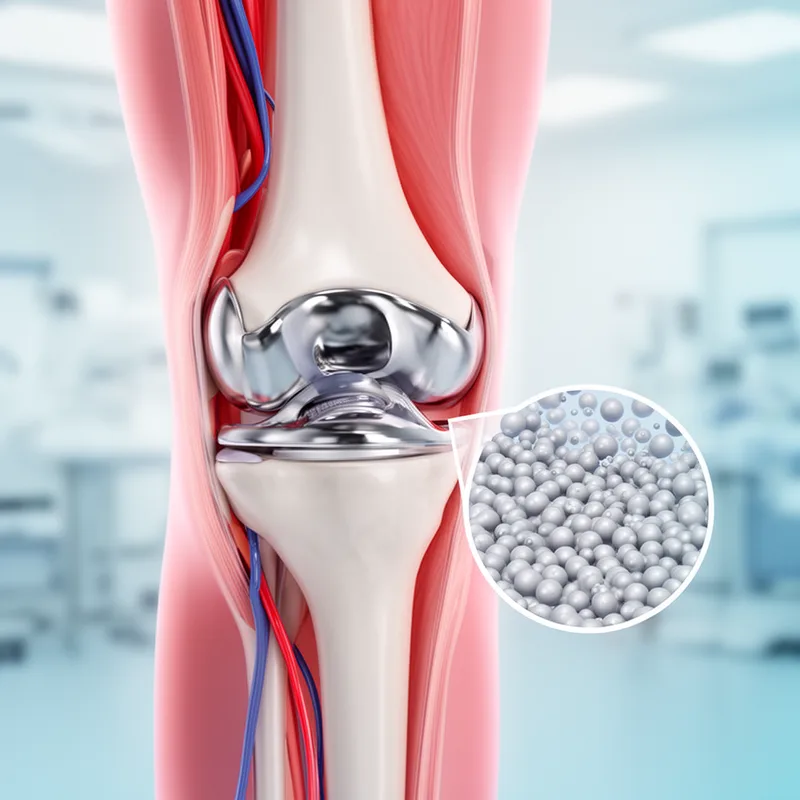
- A possible reason why patients experienced no problems is that the materials used to construct the electrode have been tested for biocompatibility and are used for many purposes, including sutures, joint replacements, bone plates, bone screws, and arterial grafts (40).
- excellent biocompatibility
Examples
-
Biocompatibility of a material is defined as interactions between the material and living cells.
Academic text (2018) -
Modified natural polymers have attracted much attention because of their better biocompatibility and lower cytotoxicity compared with synthesized polymers.
Academic text (2018) -
The cement also showed excellent biocompatibility and tolerance in the middle ear.
Academic text (1998) -
Results demonstrate excellent biocompatibility and usefulness in otologic surgery.
Academic text (1998) -
The pyrocarbon material is also well known for its biocompatibility and has been used in numerous prostheses, including heart valves.
Academic text (2015) -
Titanium has for many years been used as an implant material and has shown excellent biocompatibility and oxidation resistance.
Academic text (1998) -
Furthermore, in terms of biocompatibility, all-ceramic materials provide low solubility, reduced plaque accumulation, and sufficient marginal fit.
Academic text (2016) -
Among them, drug delivery systems, especially the nanoparticulate ones, have gained much interest due to the excellent properties of fibroin, including biocompatibility, biodegradability, non-toxicity, and preparation flexibility.
Academic text (2018) -
Biomaterials having Young's modulus close to that of their contacting tissue are recommended since they promise structural biocompatibility of the material, avoiding stress shielding phenomenon after implantation.
Academic text (2018) -
Titanium has shown excellent biocompatibility as an implant material in numerous medical applications.
Antonyms


How Biocompatible
- Specialized
1
6.3
 27
4.0
- Specialized
1
6.5
- Specialized
38
7.2
Surface Forms
Morphology
biocompatibility = biocompatible (semi-transparent) = bio + compat + ible + ity
The noun is transparently formed from the technical adjective 'biocompatible' with '-ity', but the underlying biomedical term is specialized rather than fully obvious to a B1 learner.
Etymology
The word biocompatibility comes from bio- meaning 'life', as in biology, and compatible meaning 'able to live or work together'. So, biocompatibility is the quality of a material that can 'live with' the body without causing harm.