
bicornate
- adjective
- /ˌbaɪˈkɔrnɪt/
- Specialized
- Certain species of antelope have distinctly bicornate horns.
Examples
-
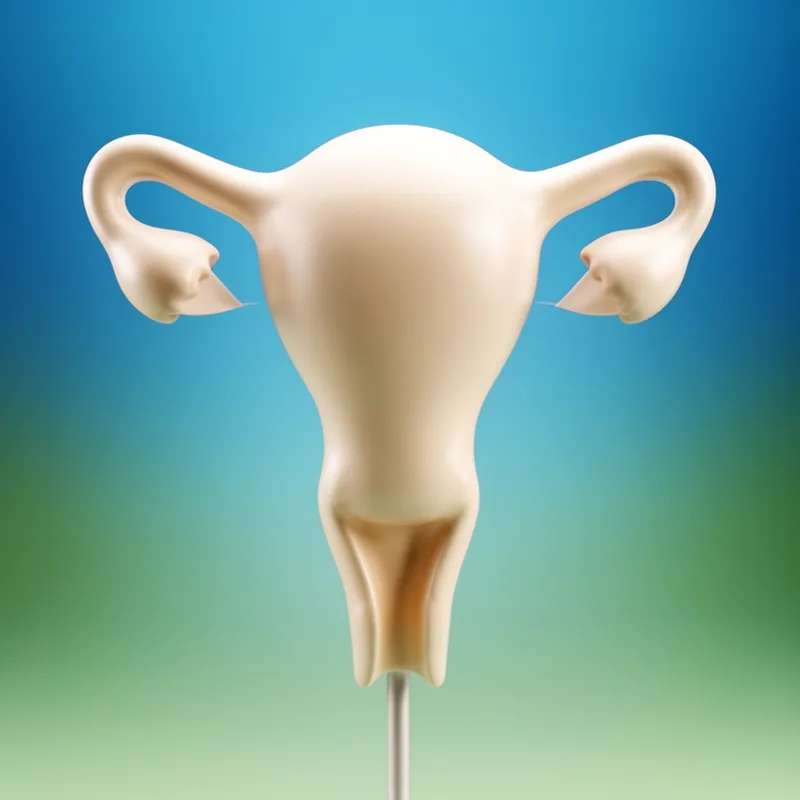
A bicornate uterus can affect pregnancy outcomes.
-
The fossil was identified by its bicornate skull structure.
-
The bicornate horns are striking.
-
Is this plant bicornate?
-
A bicornate uterus can affect pregnancy outcomes.
-
Certain species of antelope have distinctly bicornate horns.
-
The fossil was identified by its bicornate skull structure.
Synonyms

A thing that has two horn-shaped parts, often in animals or body parts

Having two horns or horn-like parts

With two horns or horn-shaped parts

An organ that has two parts shaped like horns, for example the uterus in some mammals
Surface Forms
Morphology
Etymology
Bicornate comes from the parts bi- meaning 'two' and cornu meaning 'horn'. Just like unicorn is 'one horn', bicornate means 'two-horned', which is why scientists use it for animals or body parts that have two horn-like shapes.

