

bicorn
- adjective
- /ˈbaɪkɔrn/
- The statue depicts a mythical bicorn creature with two prominent horns.
Examples
-
A bicorn uterus is a congenital uterine anomaly with two horns.
-
The animal had a distinctive bicorn skull structure.
-
The bicorn hat is a symbol of the 18th century.
-
He wore a bicorn during the ceremonial event.
-
The animal had a distinctive bicorn skull structure, showcasing its unique evolution.
-
The statue depicts a mythical bicorn creature with two prominent horns, emphasizing its magical attributes.
-
In the art gallery, the painting features a bicorn figure standing proudly with its curved horns.
Synonyms

With two horns or horn-shaped parts
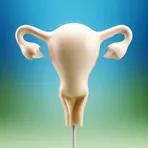
Having two horn-shaped parts
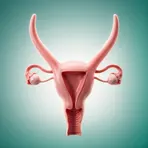
A thing that has two horn-shaped parts, often in animals or body parts
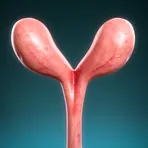
An organ that has two parts shaped like horns, for example the uterus in some mammals
Surface Forms
Etymology
Bicorn is built from the Latin parts bi- 'two' and cornu 'horn', so it means 'two-horned'. That's why we use bicorn as an adjective for anything with two horn-like parts, for example some animals or a uterus with two small 'horns'.

