to beset

to beset

9.1
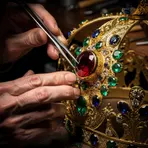
To cover an object with many jewels or decorations
  • verb
  • /bɪˈsɛt/
  • Literature
translation icon : engalanar con

Examples

  • Others in the SICU agreed with him that Judy had mousy features: a small, forward-sloping face beset with a long, thin nose; prominent, well-cared-for front teeth.

    Fiction book (1998)
  • The gorgeous crown was beset with sparkling diamonds and emeralds.

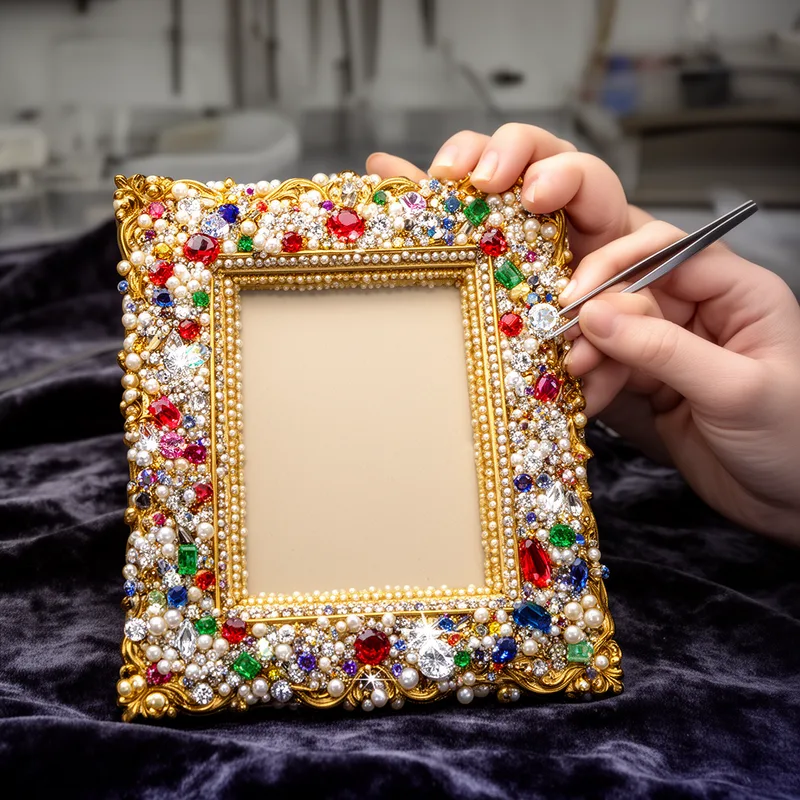
  • The ornate frame was beset with intricate carvings and colorful jewels.

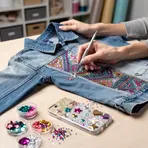
  • Her wedding dress was beset with delicate lace and shimmering beads.

Synonyms

to decorate
vsto beset
226 1.9

To make something look nicer by adding paint, ornaments, or other items
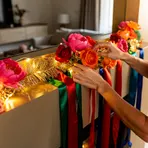
means lavish covering especially with jewels rather than simple decoration
56 3.4

Make something look nicer or more attractive for a special event
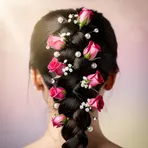
involves lavish or extensive covering, not only temporary dressing
to adorn
vsto beset
45 4.9

To put decorations on something to make it look more beautiful

suggests richer, more lavish covering often including precious items
to trim
vsto beset
19 4.1

To add decorations to something to make it look special

means covering lavishly across a surface rather than small additions
to encrust
vsto beset
12 6.7

To cover something thickly with small shiny objects like jewels
means lavish covering but not restricted to small shiny pieces
to jewel
vsto beset
10 6.8

To decorate something with precious stones

is broader, covering lavish decoration beyond only stones
to embellish
vsto beset
10 6.3

To make something more beautiful by adding decorative details

refers to covering lavishly instead of adding only small details
to bejewel
vsto beset
5 8.2

To decorate something with jewels or precious stones

is broader, meaning lavish covering not limited to precious stones
to bedeck
vsto beset
4 7.8

To put fancy decorations like flowers or lights on something to make it look special
implies lavish covering but is not always showy or theatrical
to bedazzle
vsto beset
3 5.1

Add bright, shiny pieces to clothes or things to attract attention

emphasizes lavish covering for ornament rather than primarily impressing
to begem
vsto beset
  • Archaic
9.9

To decorate something with gems like diamonds or rubies

is more general, meaning lavish covering not only with gems
to incrust
vsto beset
9.8

To cover something with many gems or decorations

focuses on lavish decoration but not necessarily applied as a layer
to bedight
vsto beset
  • Archaic
9.9

To dress people or things in silks and jewelry

is the modern common term for lavish ornamentation
to bespangle
vsto beset
  • Archaic
9.9

To cover or decorate something with small shiny things

focuses on many small sparkles rather than varied lavish ornaments
to engild
vsto beset
  • Archaic
9.9

To cover something with gold or thin gold leaf

is about lavish covering but not specific to gold or gilding

Antonyms

42 2.7

Remove all covering or contents from an object so it is left bare

Phrasal Verbs

9 7.0

Having many problems that make things difficult

How Ornamented

to encrust
12 6.7
to bejeweled
  • US
5.7
to beset
  • Literature
9.1
to embellish
19 6.1
to adorn
45 4.9
to decorate
226 1.9

Surface Forms

beset infinitive
besetting present participle
besets third person singular
beset past
beset past participle

Morphology

beset = set (transparent) = be + set

The verb is a straightforward prefixation of productive be- to 'set' meaning to place or fix, matching the sense 'cover/decorate with settings', so learners can derive the meaning.

Etymology

The word beset comes from the little part be- meaning 'around' and the common word set meaning 'to put'. So to beset something with jewels meant to 'put things all around' it, which is why it now means to decorate or cover something richly.