
avatar
 37
8.1
37
8.1

- noun
- /ˈævəˌtɑr/
- Literature
- Aang: If the Avatar had returned, would that mean anything to you?
Loading YouTube…
Watch on YouTubeThese pilgrims have been selected by the church, the Church of the Shrike, also called the Avatar or the Lord of Pain.
- These pilgrims have been selected by the church, the Church of the Shrike, also called the Avatar or the Lord of Pain.
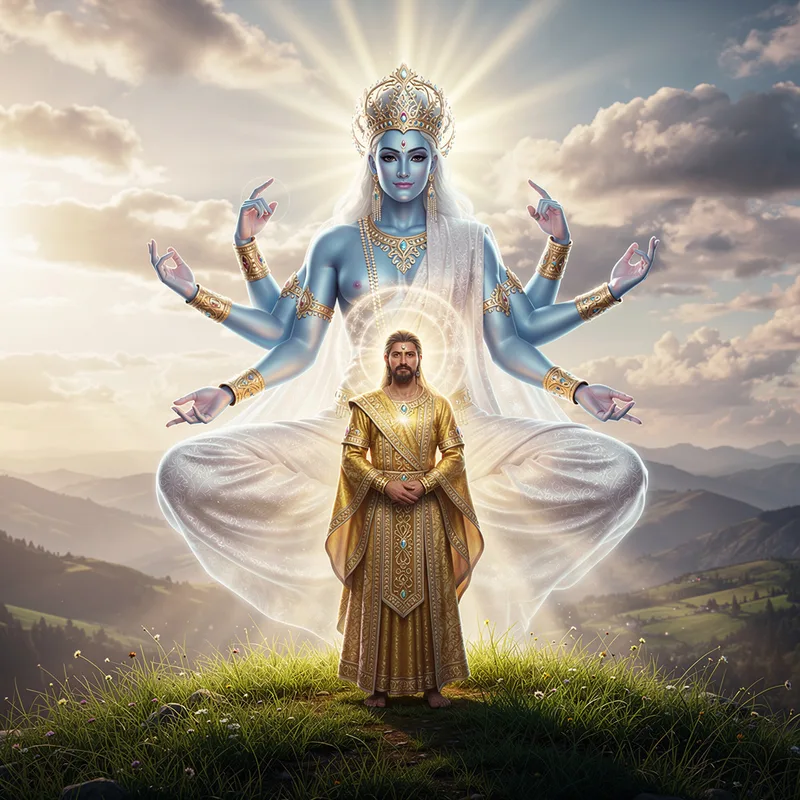
- But like the deity practices we do, I'll just say like it's almost like having those deities are avatars.
- And it's like the divine creates itself as a multiplicity of avatars to work together and carry out the will of the divine.
- And so it's truly, truly a remarkable claim that spiritual traditions are making and that you and I are just avatars.
- The meditation process is slowly waking me up to the truth that an avatar is just an avatar.
Examples
-
By the laws of the time, her avatar must revert back to her.
Fiction book (2002) -
You know the Avatar hasn't been seen for a hundred years.
-
When our world was young, so was mighty Avatar.
-
We offer our services to protect the Avatar until he reaches the northernmost border of the Earth Kingdom.
Academic text (2010) -
He claimed to be a very holy person and believed that he was the avatar of Shiva.
-
N4: Only the Avatar, who can master all four elements, is able to stop the ruthless Fire Nation.
Academic text (2010) -
But luckily for him, his chariot here is Krishna, who's an avatar of one of the gods.
-
But the people thought he was divinity itself - an avatar come down to Earth - and there's an ancient belief in India that if you are in the presence of a great person or of a divinity, you acquire merit simply by, almost osmotically, by being in their presence.
-
Hindus return the favor, saying that Buddha was one of ten avatars (incarnations) of Vishnu.
Academic text (2007) -
In Hindu belief, Krishna is considered an avatar of the god Vishnu.
Synonyms
 10
7.9
10
7.9
A life in a new body after death, as some religions teach
Surface Forms
Etymology
Avatar comes from the Sanskrit avatara, from ava- 'down', and it originally meant a god 'coming down' to earth. So in Hinduism an avatar is a god's appearance in human form.