
atomic number 17
- noun
- /əˈtɑːmɪk ˈnʌmbər 17/
- Specialized
- The atomic number 17 indicates that chlorine has 17 protons in its nucleus.
Examples
-
Chlorine, with an atomic number 17, is widely used to purify water in swimming pools.
-
As a gas with an atomic number 17, chlorine is both toxic and useful in various chemical processes.
-
Calcium, atomic number 20, constitutes approximately 10 percent of bone, giving bone a photoelectric absorption up to ten times that of tissue.
Academic text (1995)
Synonyms

 48
4.2
48
4.2

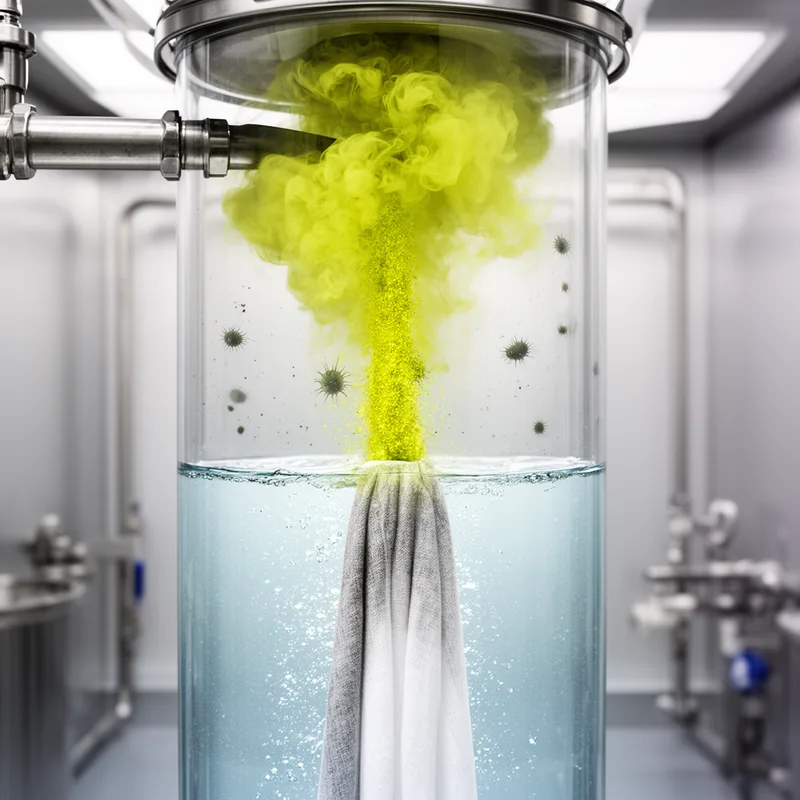
A strong-smelling yellow-green gas used to kill germs and to bleach, found in salts like sea water
 1
3.9
1
3.9
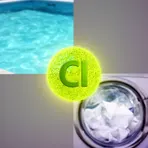
A symbol for the element chlorine used to clean water and bleach clothes
Surface Forms
Morphology
The phrase is compositionally built from 'atomic' + 'number' + 'seventeen' so a learner who knows the words can infer it denotes a number related to atoms (i.e. a property or identifier). However, identifying that this specific number corresponds to the element chlorine requires domain-specific knowledge of the periodic table, so the exact referent is not predictable from the constituents alone.
Etymology
Atomic number 17 comes from how people count tiny particles in an atom: the atomic number is the count of small positive particles called protons, and when there are 17, the atom is chlorine. So, atomic number 17 means 'chlorine', the yellow-green gas often used to clean and kill bacteria.