
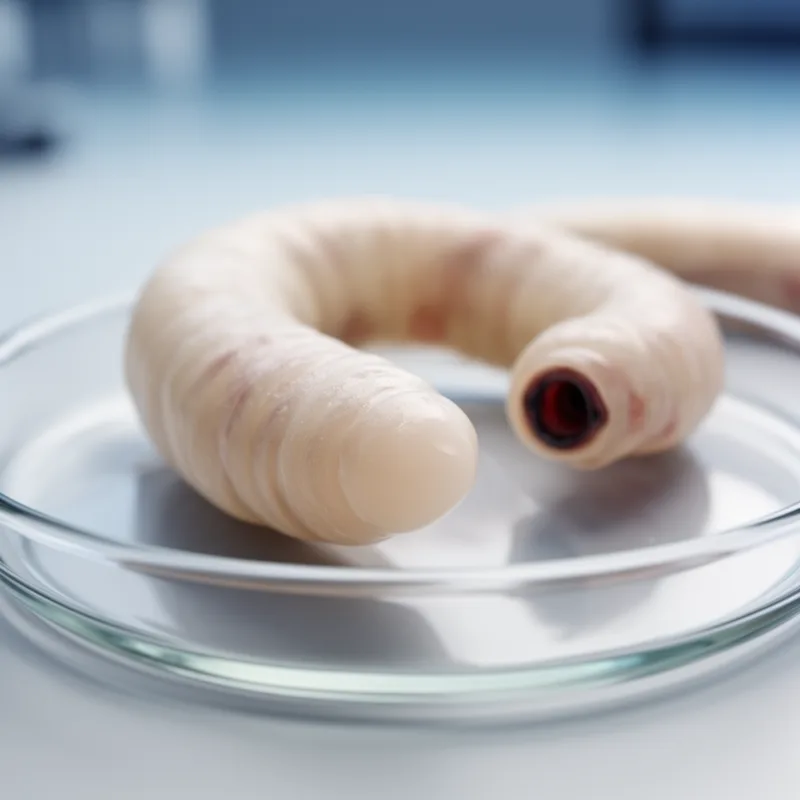
astomatous
- adjective
- /ˌæstəˈmoʊtəs/
- Specialized
- Some parasitic worms are astomatous and absorb nutrients through their skin.
Examples
-
The astomatous organism has adapted to life without a mouth.
-
The astomatous nature of certain larvae makes them unique among related species.
-
An astomatous organism does not require a mouth for its mode of feeding.
-
Some species of worms are astomatous and absorb nutrients through their skin.
-
Some parasitic worms are astomatous and absorb nutrients through their skin.
-
An astomatous organism does not require a mouth for its mode of feeding.
-
The astomatous nature of certain larvae makes them unique among related species.
Synonyms


 1
8.4
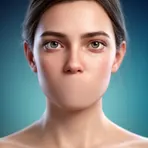
Having no mouth and no opening to eat or breathe
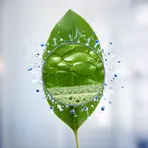
Having no small openings in leaves or stems that let air move in and out
Antonyms
Surface Forms
Morphology
astomatous = stomatous (semi-transparent) = a + stomat + ous
The prefix 'a-' indicates absence, and 'stomatous' relates to 'stoma', but the specific scientific usage might not be immediately clear to all learners.
Etymology
Astomatous comes from two Greek parts, a- meaning 'not' and stoma meaning 'mouth', and you can see stoma in medical words for an opening that acts like a mouth. So astomatous describes a living thing that has 'no mouth' or no mouthlike opening.