
assimilative
- adjective
- /əˈsɪməˌleɪtɪv/
- Rather, environmental education curricula have largely been implicitly designed around the principles of assimilative capacity and control theory—that is, that there are some safe levels of human intervention (e.g., pollution) in the environment and that these levels can be identified.
- assimilative capacity
Examples
-
These targets are usually based on the assimilative capacity of the environment (such as the ability of soil to dissipate acidifying pollutants).
Academic text (1996) -
Local governments have the ability to ensure that their built and natural systems do not exceed their respective assimilative capacities.
Academic text (2001) -
First, the cumulative loads on Earth's biogeochemical cycles and ecosystems could exceed natural assimilative capacities.
Academic text (1999) -
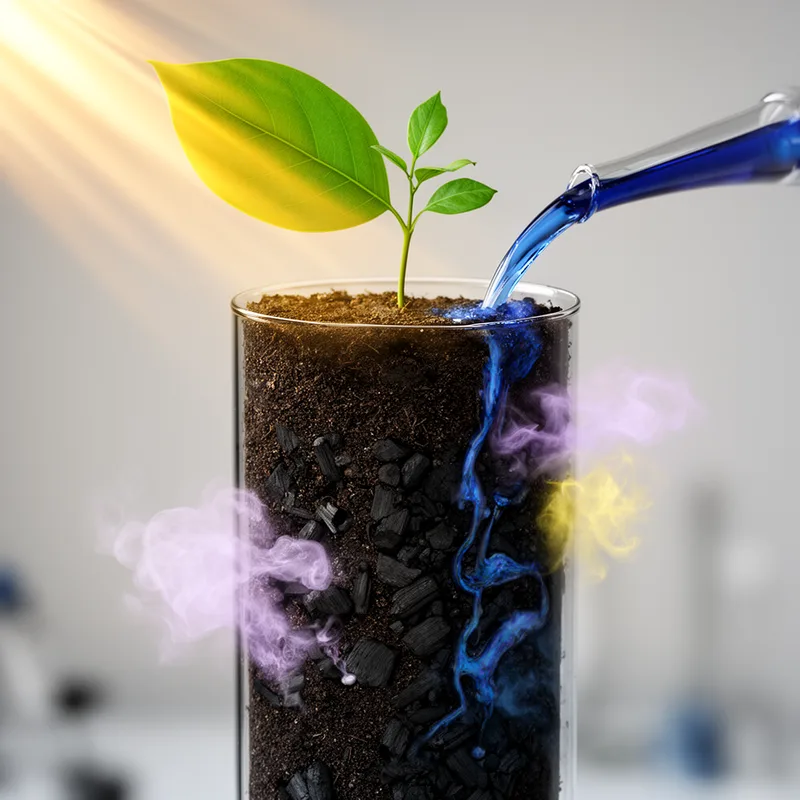
The assimilative processes in nature help maintain a balance in ecosystems by absorbing excess nutrients.
-
Plants have an assimilative ability that allows them to take in carbon dioxide during photosynthesis.
-
The lake's assimilative capacity determines how much waste it can safely absorb without harm.
Synonyms

 10
3.4
10
3.4

Able to soak up liquid easily
 1
6.8
1
6.8
Able to take in liquids or energy, like a sponge
 1
4.6
1
4.6
Able to go into a material through its surface, for example skin or fabric

 1
8.1
1
8.1
A substance the body can absorb and use

Able to take in things like light or nutrients and make them part of a living thing

Able to absorb or break down material in body tissues
Compounds

How Absorptive

Surface Forms
Morphology
assimilative = assimilate (transparent) = assimilate + ive
The adjective is directly formed from the verb 'assimilate' with the productive suffix '-ive' meaning 'tending or able to', so the physical sense is derivable from the verb.
Etymology
The word assimilative comes from Latin parts ad- 'to' and similis 'like', the same root as similar. So an assimilative material takes other things in and makes them part of itself, which explains how it absorbs gases, light, or liquids.