

asexual
 3
6.4
3
6.4

- adjective
- /ˌeɪˈsɛkʃuəl/
- Specialized
- Most aquatic plants are not troublesome but possess mechanisms for asexual reproduction similar to those of their weedy counterparts.
- asexual reproduction
- asexual spores
- asexual populations
Loading YouTube…
Watch on YouTubeSo ask yourself, what does it communicate if you have an asexual relationship?
- So ask yourself, what does it communicate if you have an asexual relationship?
Examples
-
In certain species, superficial underground creeping stems (rhizomes) or roots ensure asexual reproduction.
Academic text (2011) -
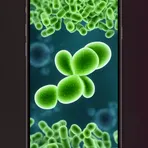
Bacteria and viruses are asexual organisms.
-
So ask yourself, what does it communicate if you have an asexual relationship?
-
I would prefer asexual reproduction, if you don't mind.
-
What is the balance between sexual and asexual reproduction in aquatic angiosperms?
Academic text (1996) -
Aspens are capable of both sexual reproduction, which produces a new Organism, and asexual reproduction, which creates a clone.
-
We'll see reefs persist because most of the propagation of corals is through asexual reproduction via fragmentation, and they keep growing.
-
The fungus Neurospora crassa produces asexual spores in a circadian rhythm.
Academic text (2005) -
Bacteria and viruses are asexual organisms that reproduce without sexual activity.
-
Aspens can reproduce through asexual means, creating clones instead of new organisms.
Synonyms
 3
4.8
3
4.8
Not involving sex or sexual activity
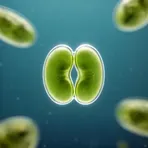
Reproduction in which male and female sex cells do not join
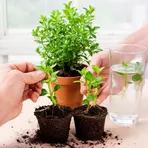
Reproducing without sex, for example when plants grow from cuttings
Antonyms

Compounds
- Specialized

 1
4.6
1
4.6
A way of making new living things from one parent without sex that makes identical copies
Surface Forms
Morphology
Etymology
Asexual is built from the prefix a- meaning 'not' or 'without' and sexual meaning 'about sex', so in biology asexual describes organisms that reproduce 'without sex', for example by budding or spores.