

aromatic
 3
7.4
3
7.4

- adjective
- /əˈrɑːmətɪk/
- Specialized
- Concentrations of organic pollutants, such as petroleum hydrocarbons and polycyclic aromatic hydrocarbons, are also declining.
- aromatic hydrocarbons
- aromatic compound
- aromatic ring
Loading YouTube…
Watch on YouTubeYou stick your face in front of the exhaust pipe and take a big huff through your nose, which is a fantastic aromatic hydrocarbon detector, right?
- You stick your face in front of the exhaust pipe and take a big huff through your nose, which is a fantastic aromatic hydrocarbon detector, right?
Examples
-
The soil is showing elevated levels of polycyclic aromatic hydrocarbons (PAHs), which have carcinogenic properties.
Academic text (2009) -
For a substitution reaction, you need an aromatic system, such as benzene.
-
Coal tar derivatives formed a chemical family that Hofmann called "aromatic" because they smelled sweet.
Academic text (2010) -
Exposure to volatile aromatic hydrocarbons (e.g., benzene) results in respiratory distress and unconsciousness.
Academic text (2009) -
The McIntosh apple is praised for its wonderfully aromatic, tangy flesh, which enhances the flavor of many dishes.
-
Coal tar derivatives are classified as aromatic due to their sweet scent and specific chemical structure.
-
In organic chemistry, substances like benzene are termed aromatic because they contain one or more benzene rings.
Synonyms

Having a ring of atoms like the chemical benzene
Antonyms
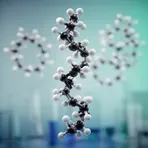
Compounds
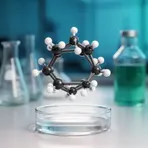
- Specialized
2
7.1
A chemical made of hydrogen and carbon that has one or more benzene rings


- Specialized
A chemical with one or more rings like benzene that often has a strong smell
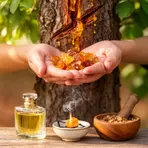
A natural substance with a pleasant smell that trees and plants make and people use in perfume, incense, and medicine
Surface Forms
Morphology
Etymology
Aromatic in chemistry takes its name from the same root arōma because early chemists noticed many benzene-like substances had strong smells. So today 'aromatic' in chemistry means a special ring-shaped structure, even if not all such compounds have a strong smell.