

to argue
 168
3.0
168
3.0

- verb
- /ˈɑrɡju/
- Formal
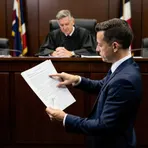
- The lawyer argues that the evidence presented supports their case.
- the literature argues
Loading YouTube…
Watch on YouTubeWhat we do know about stress would argue that yes you would.
- What we do know about stress would argue that yes you would.
- And and so that that would argue towards the kind of brain centric.
Examples
-
Now, if we argue this thing out right, we can get somewhere.
-
So you could argue that those two things cancel each other out.
-
There was no such a thing, he would argue, as free will.
-
And the worst part is it's hard to argue when it's done so well.
-
Now, how can you argue with that?
-
Who could argue with that?
-
Instead, they argue, it's just an update of information.
-
Now, no one will argue that we don't have robots.
-
He goes on to argue for the largesse of Oceania.
-
The vulnerability of migrant farmworkers argues for policies that do not require farmworker-initiated actions with an employer.
Academic text (2017)
Synonyms
 ∞
1.0
∞
1.0
To give proof that something is true
 ∞
3.1
∞
3.1
To show that something is true by giving facts or reasons
 834
2.7
834
2.7
Show or suggest that something is likely true
 579
3.0
579
3.0
Show that something is true using evidence or examples
 572
2.1
572
2.1
Give facts or evidence that show a claim is true
 319
4.1
319
4.1
To show something is true using evidence
 89
4.9
89
4.9
To show that something is likely true because of evidence
 59
3.7
59
3.7
To give reasons to support or oppose an idea
 46
6.5
46
6.5
To show that something is true
 44
7.2
44
7.2
To show that something is true by giving proof or facts
 24
4.2
24
4.2
Gather and organize facts and evidence to support a claim or accusation

To give more evidence or reasons to make a claim stronger
Phrasal Verbs

How Strong

Surface Forms
Etymology
Argue comes from the old root arguere, which meant 'show' or 'make clear', and it is the same root as argument. That is why we say facts or evidence can 'argue' for something: they 'show' or point to it.