arborous

arborous

9.5
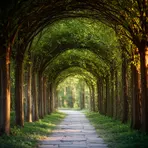
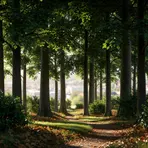
Having many trees that give shade
  • adjective
  • /ˈɑːrbərəs/
  • Archaic
translation icon : arbóreo
  • We enjoyed a picnic beneath the arborous canopy formed by ancient oaks.

Examples

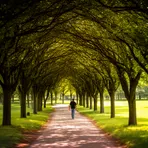
  • The park was known for its arborous avenues that provided cooling shade in summer.

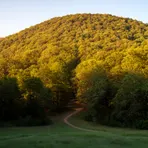
  • An arborous landscape surrounded the estate, making it a haven for wildlife.

  • The arborous landscape was full of towering oak trees.

  • Many arborous areas provide habitat for wildlife.

  • The park was known for its arborous avenues that provided cooling shade in summer.

  • An arborous landscape surrounded the estate, making it a haven for wildlife.

  • We enjoyed a picnic beneath the arborous canopy formed by ancient oaks.

Synonyms

wooded
vsarborous
32 2.4

An area with many trees growing on it
is usable for both appearance and relation to trees
woody
vsarborous
1 2.0

Having many trees like a small forest

is broader, also applying to singular tree forms or relations
arborescent
vsarborous
  • Specialized
1 9.9

Having the shape of a tree with many branches

is broader, also including general relation or coverage by trees
treelike
vsarborous
1 4.1

Having many branches like a tree

can also refer to relation to or actual tree cover
forested
vsarborous
1 2.3

An area covered with many trees

can also apply to single-tree features or general tree relation
arborary
vsarborous
  • Specialized
9.9

Having many trees or shaped by trees

has the same sense including being covered with trees
arborical
vsarborous
9.9

About trees or showing tree shapes

adds the idea of being covered with trees as well
arboriform
vsarborous
9.9

Shaped like a tree with branches

is more general, covering resemblance or actual tree cover
arboresque
vsarborous
9.9

Shaped like a tree with branches that spread out

covers both that form and places covered with trees
arboreal
vsarborous
  • Specialized
6.9

Having a shape with branches like a tree

also emphasizes relation to or coverage by trees in usage
dendroidal
vsarborous
  • Specialized
9.9

Like a tree in shape because it has many branches

is broader, including items formed by or covered with trees
dendroid
vsarborous
  • Specialized
9.9

Having a branching shape like a tree

is more general, also meaning related to or covered with trees
tree-shaped
vsarborous
3.5

Having a main trunk and branches that spread out like a tree

is broader, covering resemblance, relation, or being tree-covered
arboraceous
vsarborous
9.9

Having many trees like a forest or park

also includes simple resemblance or relation to trees
arboreous
vsarborous
  • Specialized
9.9

Living in or often found in trees

focuses more generally on resemblance or being covered with trees
arbory
vsarborous
  • Archaic
9.9

Covered with trees like a small wood

also includes the idea of resembling or relating to trees
arbored
vsarborous
6.8

Having trees or leaves that make a shaded path

is broader, meaning also resembling or relating to trees
foresty
vsarborous
4.2

Covered with many trees

is more general and can mean simple resemblance to trees
forestlike
vsarborous
3.5

Like a forest with many trees and plants

is less specific about actual forest cover, stressing resemblance

How Wooded

forested
1 2.3
wooded
32 2.4
arborous
  • Archaic
9.5
treeless
4 2.7

Surface Forms

arborous positive

Morphology

arborous = arbor (semi-transparent) = arbor + ous

The adjective is formed regularly from 'arbor' + '-ous' meaning 'relating to trees', but 'arbor' is a relatively uncommon base word that many learners may not recognise.

Etymology

The word arborous comes from the Latin word arbor, which means 'tree', and you also see this root in words like arborist and arboretum. So, arborous means 'full of trees' or 'covered with trees', which is why we use it for places that look like a wooded area.