

apelike
 1
5.4
1
5.4

- adjective
- /ˈeɪpˌlaɪk/
- The scientist described the new species as having an apelike posture that helped it climb trees.
- apelike ancestors
Examples
-
Then the door opens and a massive, not to say apelike, figure appears.
Fiction book (1995) -
His face was thin and wrinkled, almost apelike.
-
Chinese scientists said it belonged to an early hominid, while Western scientists said it looked more apelike.
Academic text (2006) -
The discovery of the jaws resolved, at least for most scientists, any doubts that the creature was apelike and not, as Weidenreich had argued, humanlike.
Academic text (1991) -
Somewhat controversially, Kingdon contends that apelike human ancestors from Eurasia, originally of African ancestry, crossed back into Africa from Arabia about 10.5 million years ago.
Academic text (2003) -
During the documentary, they revealed how some ancient species had apelike features that aided their survival.
-
Her movements were so apelike that it reminded everyone of how primates swing through the trees.
Synonyms
 3
7.7
3
7.7
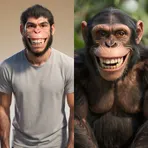
Like an ape or monkey

 1
8.0
1
8.0
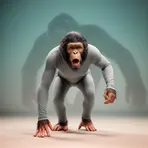
Like an ape in shape or behavior
 1
9.9
1
9.9
Having the shape and features of an ape

Moving quickly and skillfully in a playful way like an animal that climbs and swings
How Ape-like

Surface Forms
Morphology
Etymology
Apelike comes from ape (the animal) plus the ending -like meaning 'similar to', so it literally means 'similar to an ape' and is used for looks or movement that remind you of an ape.