

aorta
 41
4.8
41
4.8

- noun
- /eɪˈɔːrtə/
- Specialized
- A multiplane approach permits visualization of the entire ascending aorta in most patients.
- ascending aorta
- abdominal aorta
- thoracic aorta
Loading YouTube…
Watch on YouTubeThe very first place where atherosclerotic changes occur is in that lumbar aorta.
- The very first place where atherosclerotic changes occur is in that lumbar aorta.
- So, you know, the kinds of things that you might measure might be as mundane as the length of the aorta, which is the first tube coming out of your heart.
Examples
-
The problem, is the rupture of the aorta.
-
Lane's chest is cracked, and his heart and aorta are monitored while his blood pressure is increased.
Blog text (16) -
- This guy's aorta is in big trouble.
-
And of course down here we have the aorta.
-
- Lisa, your aorta is in your chest.
-
The aorta doesn't line up.
-
We unclamped the aorta and you can see the blood flowing in.
-
There is an offshoot of the aorta called the renal artery.
-
In all twelve patients with embolic occlusion, the aorta was normal, and emboli originated in the heart.
Academic text (2007) -
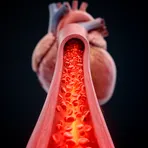
The aorta is the largest artery in the body, delivering oxygen-rich blood from the heart to the tissues.
Synonyms
 195
2.7
195
2.7
A blood vessel that carries blood away from the heart to other parts of the body
Compounds
- Specialized
2
4.5
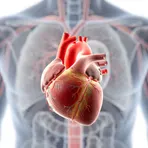
The part of the main artery rising from the left side of the heart that sends blood to the body

- Specialized
1
4.6
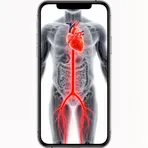
A large blood vessel in the belly that carries blood to the organs and lower body
- Specialized
1
5.8
A large blood vessel that goes down through the chest and abdomen and sends blood to the lower body

- Specialized
1
6.6
A large blood vessel in the chest that carries blood from the heart to the chest wall and organs
How Wide
- Specialized
41
4.8

- Specialized
195
2.7
- Specialized
239
2.6
62
2.2
- Specialized
- Specialized
11
4.8
Surface Forms
Etymology
Aorta comes from the Greek aortē, from a verb that means 'to lift'. Think of the aorta as the body's big tube that 'lifts' blood from the heart out to the rest of the body, which is why the word means the main artery.