

anuran
- adjective
- /ˈænərən/
- Specialized
- Researchers observed anuran larvae developing in temporary ponds.
Examples
-
The anuran species in this region are fascinating.
-
The anuran population in the wetland declined following the drought.
-
Several species of anuran are endangered due to habitat loss.
-
An anuran can jump several times its body length.
-
Researchers observed anuran larvae developing in temporary ponds, highlighting the adaptability of these creatures.
-
Several species of anuran frogs are endangered due to habitat loss from urban development.
-
The anuran population in the wetland is vital for maintaining ecosystem balance.
Synonyms

 4
6.5
4
6.5

Relating to animals like frogs and toads that live in water and on land
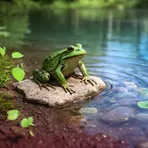 1
5.5
1
5.5
Describing animals that live on land and in water, like frogs

Relating to frogs and toads
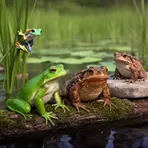
Relating to frogs and toads
Surface Forms
Morphology
anuran = Anura (opaque) = anura + an
Formed regularly from the taxonomic name 'Anura' + '-an', but the base is a specialized scientific term unfamiliar to typical learners.
Etymology
Anuran comes from Greek parts a- 'without' and oura 'tail', so it literally means 'without a tail'. Because adult frogs and toads have no tails, anuran is used to describe things relating to these animals.