
antiseptically
- adverb
- /ˌæntiˈsɛptɪkli/
- Specialized
 :
asépticamente
:
asépticamente
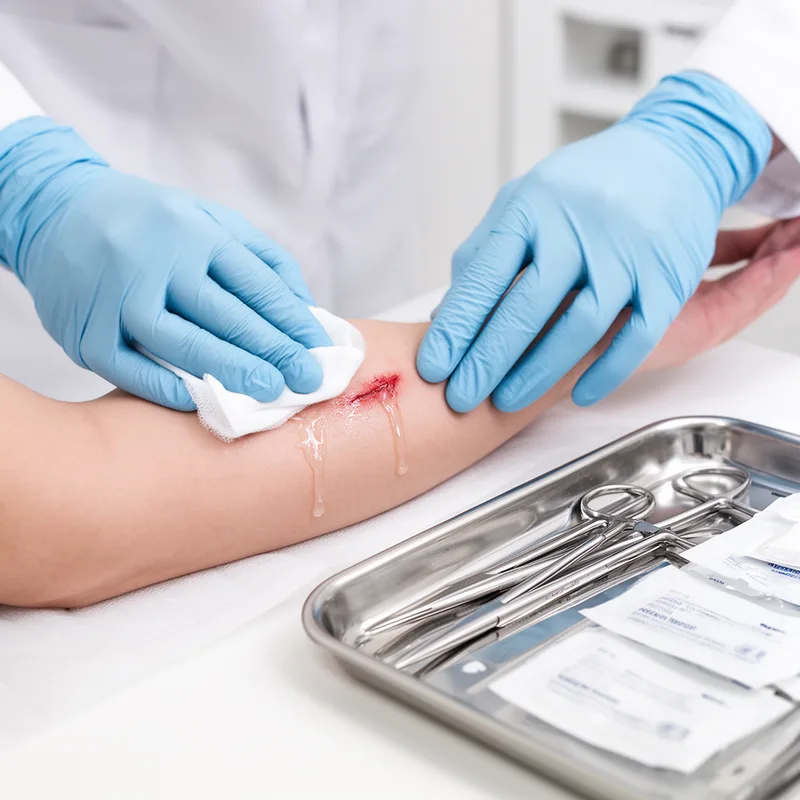
- The nurse dressed the wound antiseptically to ensure it healed properly.
Examples
-
The nurse prepared the instruments antiseptically before the surgery.
-
The surgical instruments were handled antiseptically to prevent infection.
-
She cleaned the kitchen counters antiseptically after preparing raw chicken.
-
She cleaned the wound antiseptically to prevent infection.
-
The hospital rooms were kept antiseptically clean to prevent infections.
-
She arranged the sterile instruments antiseptically before the surgery.
-
He made sure the kitchen was antiseptically clean before cooking for the guests.
Synonyms

 6
2.0
6
2.0

In a way that causes little dirt or pollution
 5
5.5
5
5.5
In a very clean and perfect way
 2
3.9
2
3.9
In a clean way that stops germs from spreading
 1
5.8
1
5.8
Very clean and fresh, not touched by people or time

In a way that keeps things free from germs
How Clean

Surface Forms
Morphology
antiseptically = antiseptic (transparent) = anti + septic + ically
Standard adverb formation from 'antiseptic'; the literal meaning of being clean or free from germs follows directly from the base adjective.
Etymology
Antiseptically comes from the parts anti- meaning 'against' and septic meaning 'infection'. Think of a nurse cleaning a wound 'against' germs to keep it safe. So, to act antiseptically is to do something in a very clean way to prevent infection.