
antisense


 1
9.9
- noun
- /ˈæntiˌsɛns/
- Specialized
- Results show an overlap of nucleotides at adenine 643, or homologous thymidine, when analyzed in both the sense and antisense orientations.
- antisense oligonucleotides
Examples
-
Antisense drugs, gene therapy, microsurgical applications.
-
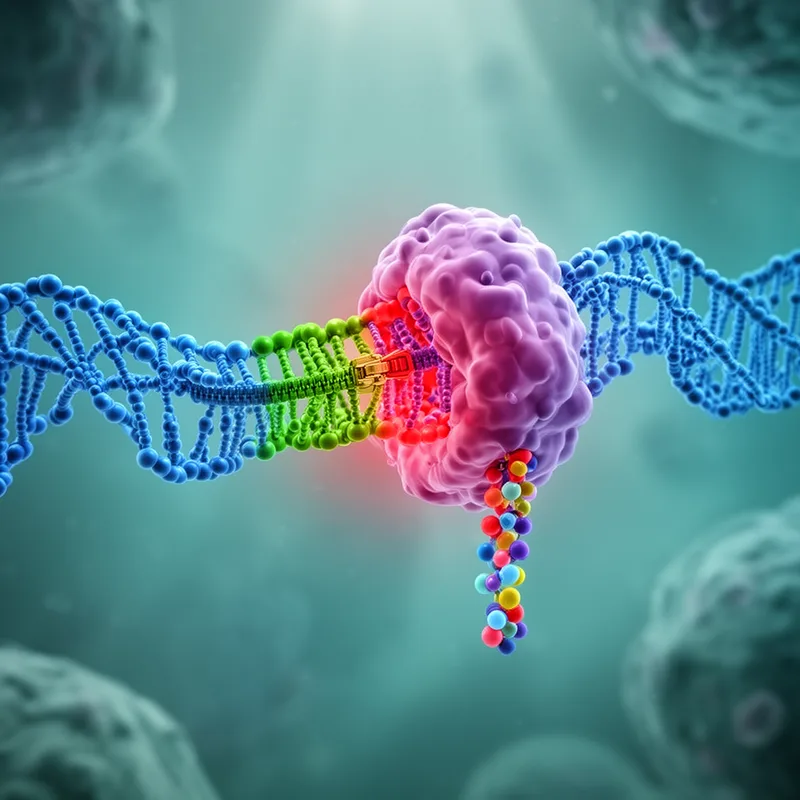
Single-stranded DNA or RNA molecules with sequences complementary to the mRNA of the target gene (referred to as antisense molecules) can be synthesized in vitro.
Academic text (1992) -
So I want your comments on antisense technologies, whether we could use it in a timely fashion and great.
-
That is why in 2006 the Nobel Prize in Medicine went to the inventors of a technology called antisense, or more specifically, RNA interference.
Blog text (4) -
HOTAIR - HOX antisense intergenic RNA
Blog text (18) -
Also, Oct4 has been reported to be controlled by pseudogene-expressed antisense RNAs (asRNAs) (summarized in Ref. 67).
Academic text (2016) -
Antisense oligonucleotides (ASO) that mimic naturally occurring RNA/DNA are highly unstable and are very rapidly degraded by nucleases.
Academic text (2016) -
Scientists developed an antisense molecule to inhibit the production of the disease-causing protein.
-
The researchers used antisense RNA to block the expression of the target gene effectively.
-
To study gene regulation, they designed an antisense strand that pairs with the messenger RNA.
Surface Forms
Morphology
Etymology
Antisense comes from the parts anti- 'against' and sense 'the coding message'. As a noun, an antisense is a piece of DNA or RNA that is the opposite of the message strand, so it can stick to that strand and stop or change the genetic message.