

to antiquate
- verb
- /ænˈtɪkweɪt/
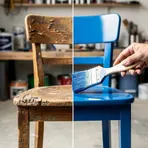
- Some manufacturers use special treatments to antiquate new furniture for a rustic look.
Examples
-
Artisans often antiquate picture frames to complement classical artworks.
-
The designer decided to antiquate the cabinet to match the room's vintage theme.
-
Don't antiquate that piece too much!
-
They decided to antiquate the furniture in the living room.
-
Some manufacturers use special treatments to antiquate new furniture for a rustic look.
-
The designer decided to antiquate the cabinet to match the room's vintage theme.
-
Artisans often antiquate picture frames to complement classical artworks.
Synonyms


 1
7.4
1
7.4
To make something look old for decoration

To make something look old-fashioned
Antonyms

How Old-Fashioned

Surface Forms
Morphology
Etymology
Antiquate comes from the Latin root antiqu- meaning 'old' and shares the same root as antique. A helpful way to remember this sense is to think of 'antiquing' furniture: to antiquate something is to give it an 'old' or antique appearance.