
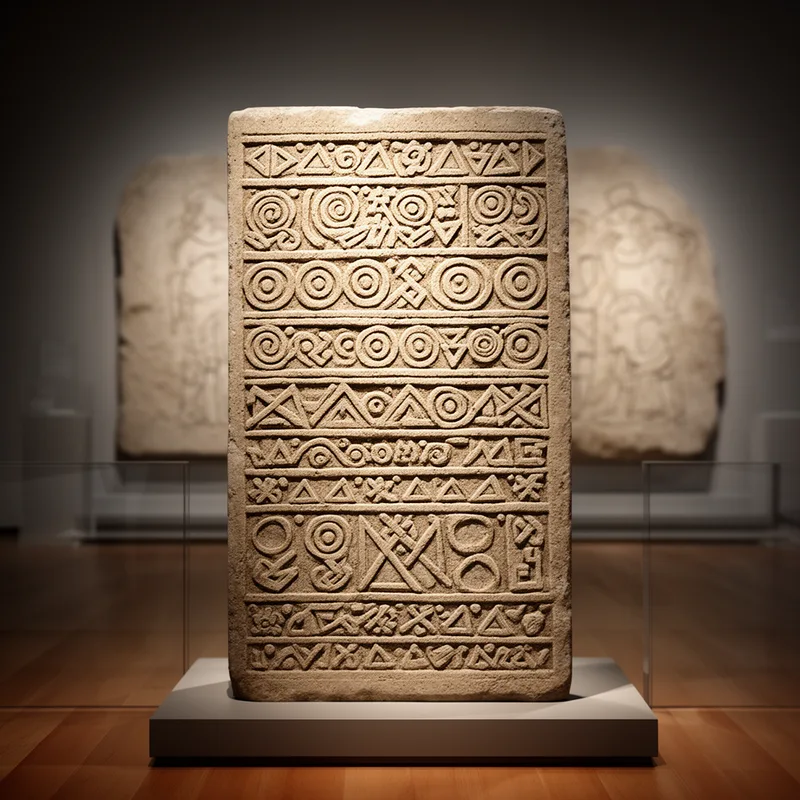
aniconic
- adjective
- /ˌænɪˈkɒnɪk/
- Specialized
 :
aniconico
:
aniconico
- The figural representation at Nikaia shows traces of such an iconoclastic intervention, for the image of the Virgin and Child in the apse was replaced by the aniconic shape of the cross sometime in the mid-eighth century.
Examples
-
In an aniconic tradition, artists focus on abstract shapes rather than depicting human figures.
-
Many religious practices prefer aniconic art to emphasize spiritual concepts over physical forms.
-
These images could be called nonrepresentational or aniconic, except that many of them are strongly iconic, and even more closely similar to their objects than fine-art images.
Academic text (1995) -
The use of aniconic symbols in the temple reflects the community's beliefs about representation.
Synonyms

Not meant to copy real things, often showing abstract shapes or colours
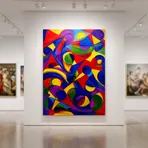
Art that does not show real people or things but uses shapes and colors
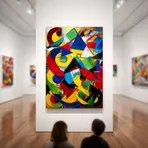
Relating to art that uses shapes and colors rather than real people or things
Without a clear shape or form
How Pictorial


Surface Forms
Morphology
Etymology
The word aniconic comes from Greek parts a- 'not' and icon 'image', the same root as the familiar word icon. So aniconic means 'not using images', often describing art or religious objects that avoid pictures of people or animals.