
angiospermous
- adjective
- /ˌændʒiəˈspɜrməs/
- Specialized
- Many of the world's crops are angiospermous plants, including rice, wheat, and corn.
Examples
-
The angiospermous structure of this flower distinguishes it from ferns and mosses.
-
Botanists often study the evolutionary advantages of angiospermous species over gymnosperms.
-
Botanists often study the evolutionary advantages of angiospermous species over gymnosperms.
-
The angiospermous plants bloom beautifully in spring.
-
Are all flowering plants angiospermous?
-
Many of the world's crops are angiospermous plants, including rice, wheat, and corn.
-
The angiospermous structure of this flower distinguishes it from ferns and mosses.
Compounds


Surface Forms
Morphology
angiospermous = angiosperm (transparent) = angiosperm + ous
Standard adjective formation from the noun 'angiosperm' using '-ous', so the meaning is directly 'relating to angiosperms'.
Etymology
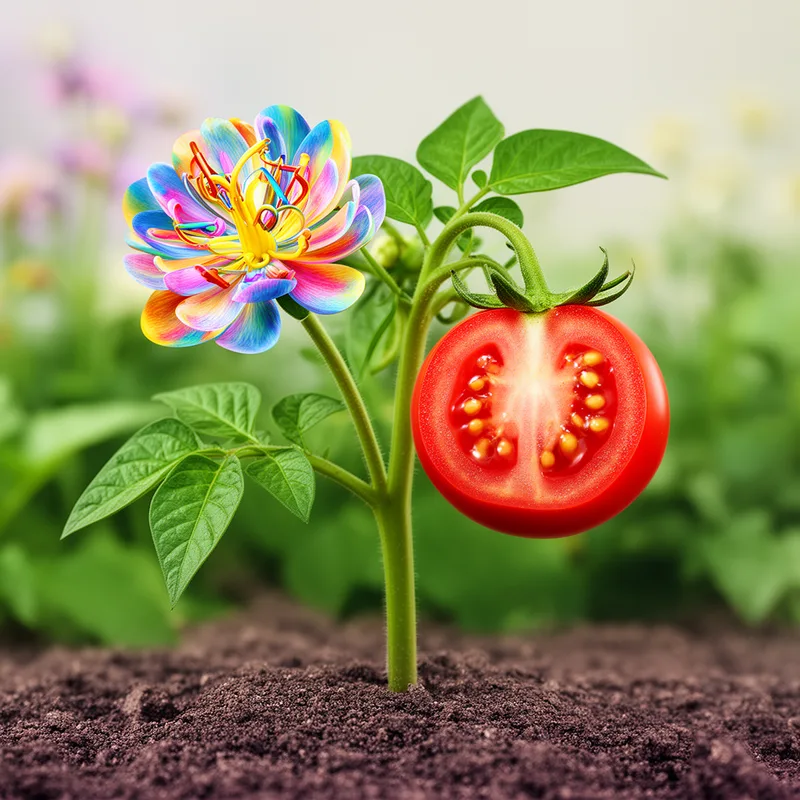
The word angiospermous comes from Greek parts angio- meaning 'vessel' or 'container' and sperm meaning 'seed'. So, it means plants that keep their 'seeds' inside a 'vessel' like a fruit or ovary, which is why angiospermous plants are the flowering plants whose seeds are protected.

