
anaphora


 1
9.9
1
9.9
- noun
- /əˈnæfərə/
- Literature
- We also see how King's use of repetition (through anaphora, epistrophe, and epimone) encouraged audience responses—vocal participation.
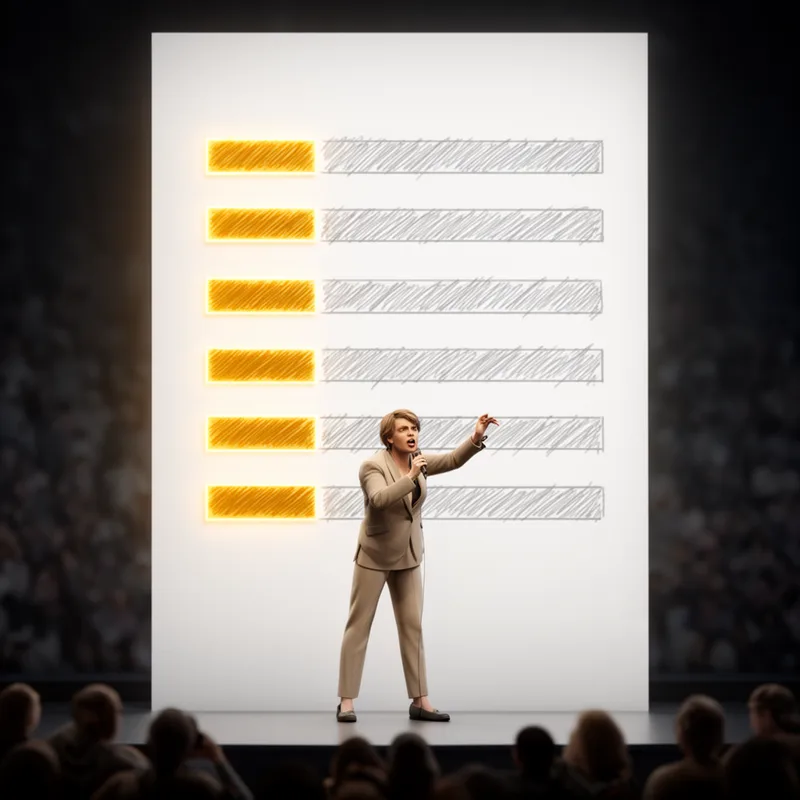
- the repetition of a word or phrase
- the use of anaphora
Examples
-
The syntactic rhymes of anaphora not only reinforce this idea through repetition, but signal an intensified praise of nature.
Academic text (1997) -
Furthermore, he parodies the anaphora of pulp style and yet makes his point to advance the plot of his own story:
Academic text (1990) -
There are many examples of anaphora apart from Churchill.
Blog text (5) -
Zayas does not continue the repetitive structure of the anaphora to the end; however, as she did with the earlier description.
Academic text (2018) -
Through the figure anaphora, Emerson further subverts Christianity.
Academic text (1997) -
In his famous speech, Martin Luther King Jr. used anaphora by repeating the phrase "I have a dream" to inspire his audience.
-
The poem uses anaphora effectively when it begins multiple lines with the same word, creating a powerful rhythm.
-
Teachers often highlight anaphora in literature to show how repetition can enhance emotional impact.
Synonyms
 10
3.2
10
3.2
Using the same word or phrase to make a point stronger and create a rhythm
 3
4.9
3
4.9
An action of saying or doing the same thing again to make it clear and show its importance

The repetition of the same word or short phrase at the start of several sentences
How Emphatic

Surface Forms
Etymology
Anaphora comes from Greek parts ana- meaning 'again' and -phora meaning 'to carry' or 'bring', so it literally means 'bringing again'. In writing and speeches, anaphora is the repeating of a word or phrase at the start of lines or sentences to 'bring' the same idea back for emphasis.