
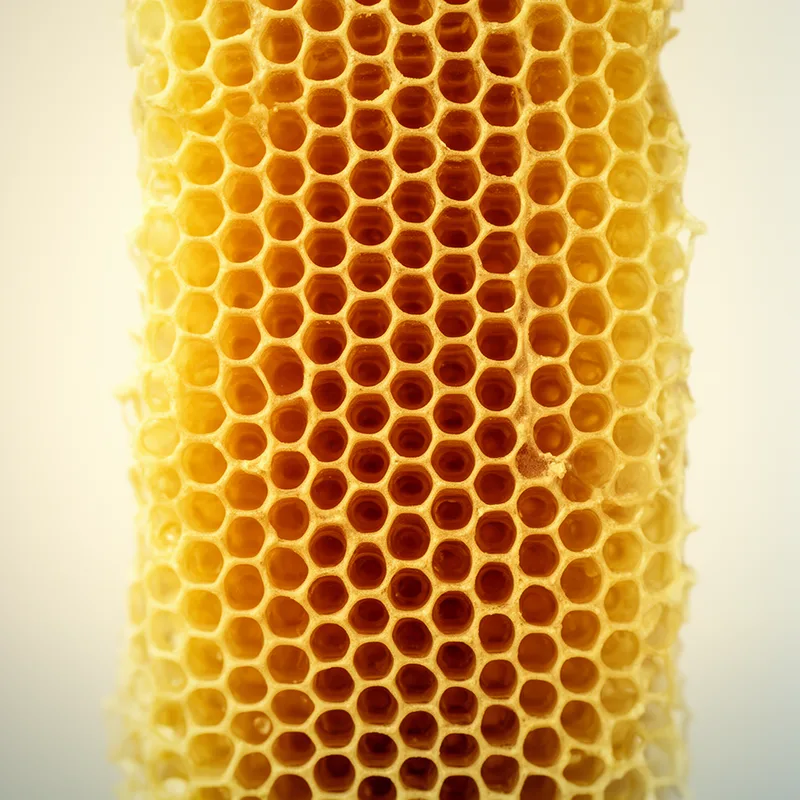
alveolate
- adjective
- /ˈælviəˌleɪt/
- Specialized
- The honeycomb is a classic example of an alveolate pattern found in nature.
Examples
-
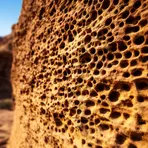
Some fossils show alveolate structures where the original tissue contained air cells.
-
The alveolate surface of the sponge makes it ideal for absorbing water.
-
The alveolate design is fascinating!
-
This material is alveolate and lightweight.
-
The honeycomb is a classic example of an alveolate structure found in nature.
-
The alveolate surface of the sponge makes it ideal for absorbing water.
-
Some fossils show alveolate formations with small cavities resembling a honeycomb.
Synonyms
 1
4.9
1
4.9

Full of many small holes like those bees make
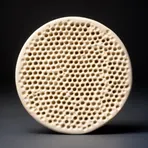
A surface with many small honeycomb-like holes
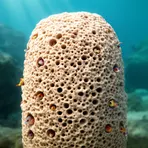
Having many small holes like a honeycomb

Having many small holes on the surface like a honeycomb

Having a surface divided into small separate areas like a net

A cell that has small spaces inside holding water and other materials
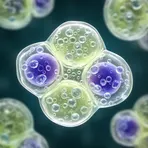
Having small spaces filled with fluid inside cells

Relating to small bags inside a cell that store water or food
Antonyms

Surface Forms
Morphology
alveolate = alveolus (opaque) = alveol + ate
The immediate base 'alveolus' is a technical term not known to most learners, and the formation of 'alveolate' is not transparent.
Etymology
The word alveolate comes from the Latin alveolus, which means 'small hollow'. It is the same root as the lung word alveoli, the tiny air sacs, so alveolate means something full of small holes or cells, like a honeycomb.