

alto
 6
4.4
6
4.4

- noun
- /ˈæltoʊ/
- Gospel music is performed (or written) in three voice parts: soprano, alto, and tenor.
- an alto voice
- sopranos and altos
- alto and tenor
Examples
-
The altos are singing, in most cases, a choice part which lies usually a third below the melody.
Academic text (2008) -
When I moved to the high school, I was a second alto.
Academic text (2015) -
Opposed to starting with the solo, go with the alto section first.
-
In college, I was assigned to sing second alto; in the adult choir, I was placed as a second alto.
Academic text (2015) -
One day he was a gifted alto, and the next day he could not sustain a single note.
Fiction book (2000) -
Elaine had a beautiful alto voice but no desire to sing professionally.
Fiction book (1994) -
In gospel choirs, there are usually fewer tenors than altos and sopranos.
Academic text (2003) -
Her alto voice soared above the other singers, captivating everyone in the audience.
-
Many jazz ensembles feature a talented alto who adds a unique depth to their performances.
-
In the choir, the alto section harmonized beautifully with the sopranos and tenors.
Synonyms
 2
7.7
2
7.7
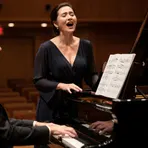
A low adult female singing voice or a woman who has it
Antonyms

Idioms

Compounds


- Specialized
A clef that shows middle C on the third line of the staff, used for writing music for the viola

- Specialized
A form of sculpture where figures stick out far from a flat background to look three-dimensional


A region in northern Italy near Austria with high mountains and both Italian and German culture
How High

Surface Forms
Etymology
Alto comes from the Italian and Latin word altus, which means 'high' and is the same idea you see in altitude. In early music the alto was the higher part above the tenor, so today an alto is the singer who takes the lower female or the higher male part in that order.