
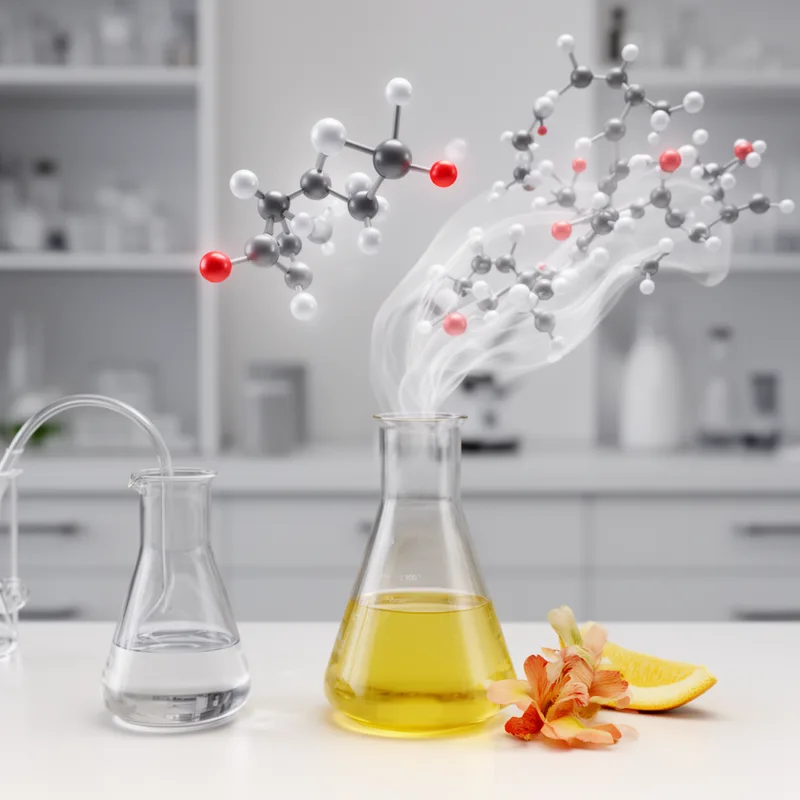
aldehydic
- adjective
- /ˌældɪˈhaɪdɪk/
- Specialized
- Several essential oils have subtle aldehydic notes that enhance their fragrance.
Examples
-
The aldehydic group is responsible for the compound's unique aroma.
-
This reaction produces an aldehydic intermediate before the final product forms.
-
The aldehydic compounds emitted a strong odor.
-
Many fragrances contain aldehydic elements.
-
Various perfumes often include aldehydic compounds to add depth and complexity to their scent.
-
Cooking with certain oils may release aldehydic fumes, which can influence the dish's flavor profile.
-
The distinct smell of some cleaning products is due to their aldehydic ingredients.
Surface Forms
Morphology
Etymology
The word aldehydic comes from aldehyde, a name formed from alcohol and the idea of removing hydrogen, so it means 'alcohol without hydrogen'. So something aldehydic is related to or contains aldehydes, chemicals made when an alcohol loses hydrogen, which often give a sharp, strong smell.

