

adducting
- adjective
- /əˈdʌktɪŋ/
- Specialized
- The adducting motion of the thigh is controlled by specific muscles in the inner leg.
Examples
-
The adducting muscles are essential for stabilizing the pelvis.
-
During exercise, the adducting action of the thighs helps maintain balance.
-
Damage to the nerve may impair a person's ability to make adducting movements with their fingers.
-
During certain exercises, adducting the arms helps strengthen the chest muscles.
-
During certain exercises, adducting the arms helps strengthen the chest muscles.
-
The adducting motion of the thigh is controlled by specific muscles in the inner leg.
-
Damage to the nerve may impair a person's ability to make adducting movements with their fingers.
Synonyms
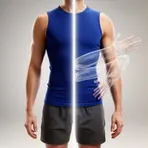
Moving a body part toward the middle of the body

A muscle that moves a body part toward the middle of the body or toward a nearby part
Antonyms
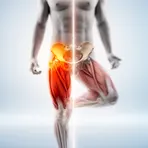
Surface Forms
Morphology
Etymology
Adducting comes from the parts ad- 'toward' and ducere 'to lead', the same root you see in conduct and duct. So an adducting muscle or movement 'leads' a body part toward the middle of the body or brings parts together.

