
actinic radiation
- noun
- /ækˈtɪnɪk reɪdiˈeɪʃən/
- Specialized
- The sun emits actinic radiation, which can damage your skin if you are exposed for too long.
Examples
-
Photosynthesis in plants is driven by actinic radiation, allowing them to convert sunlight into energy.
-
Using a proper filter can help reduce the impact of actinic radiation on photographic images.
-
Unblocked by ozone, actinic radiation spalled them; wind sanded them; sometimes a large meteorite smote them.
Fiction book (1992)
Synonyms

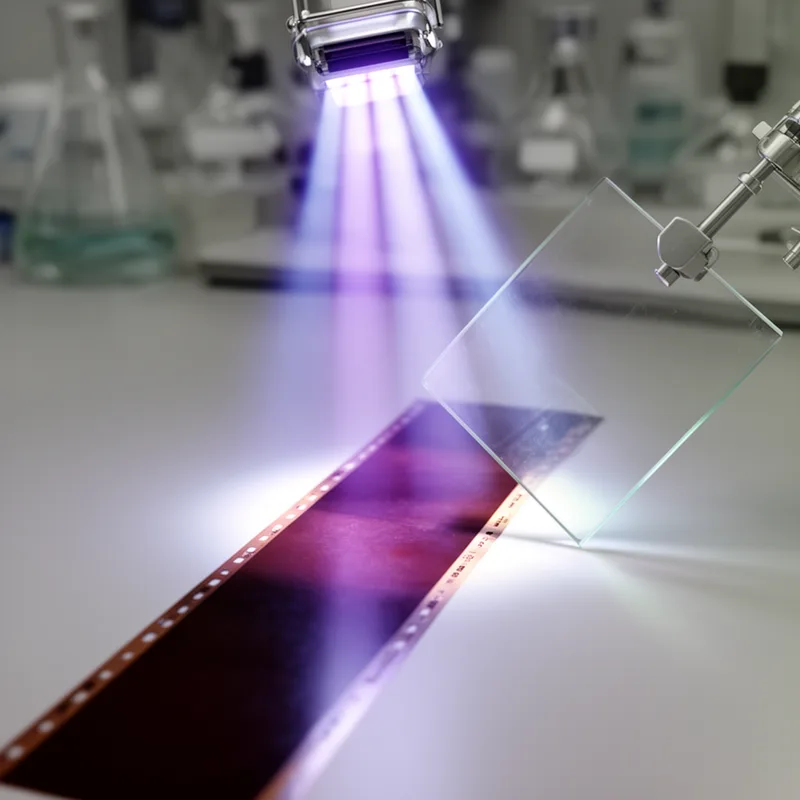
A type of light, often ultraviolet, that can cause chemical changes
Surface Forms
Morphology
The phrase is a straightforward adjective + noun composition: 'actinic' (causing chemical/photochemical reactions) + 'radiation' (emitted energy) yields 'radiation that causes photochemical reactions.' Although somewhat technical, the meaning is directly derivable from the constituents, so a learner who knows both words would understand it.
Etymology
Actinic radiation comes from the ancient Greek word 'aktis', meaning 'ray', so actinic refers to rays and radiation is rays of energy. So the term means light rays that can 'cause chemical change', which is why it is used for ultraviolet and strong visible light that can change film or kill germs.

