

acoustic device
- noun
- /əˈkuːstɪk dɪˈvaɪs/
- The researchers tested a new acoustic device that can amplify soft sounds underwater.
Examples
-
An acoustic device was installed in the concert hall to improve sound quality for the audience.
-
The acoustic device enhanced the concert experience.
-
A microphone is a type of acoustic device used to capture audio in a studio.
-
Many concert halls are equipped with specialized acoustic devices to enhance the listening experience.
-
The engineer tested the new acoustic device to ensure it produced clear and powerful sound.
-
Many musicians rely on an acoustic device for better sound.
-
He used an acoustic device to transmit his voice across the large auditorium during the presentation.
Synonyms

 194
3.5
194
3.5

A small object that changes sound into electricity for recording or making sound louder
 175
1.5
175
1.5
A device like a loudspeaker that plays sound
 41
2.2
41
2.2
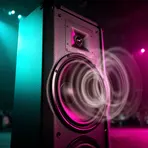
A device that turns electric signals into sound to make music or speech louder
 30
3.4
30
3.4
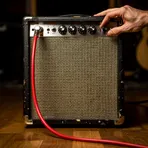
A device that makes sound or radio signals louder
 30
3.5
30
3.5
A set of electronic devices that records, makes louder, or plays sound
 1
6.2
1
6.2
A device that spreads sound to reduce echoes in a room

A device that changes electrical signals into sound or sound into electrical signals

A device that turns electric signals into loud sound you can hear from far away

A device that makes sound stronger so speakers make it louder
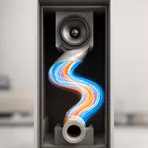
A structure that directs sound along a path, for example inside a speaker
Surface Forms
Morphology
The meaning is directly derived from the adjective 'acoustic' (relating to sound) modifying 'device' (a manufactured item), so a learner who knows both words will infer a device related to sound. This adjective+noun compositional pattern is common and cross-linguistically transparent, making the MWE immediately comprehensible to a B1 learner.
Etymology
Acoustic device comes from the word acoustic, meaning about hearing or sound, and device, meaning a tool. Imagine a small machine that picks up, makes louder, or changes sounds, so it means 'a tool that works with sound'.