

achromatous
- adjective
- /ˌeɪkrəˈmeɪtəs/
- Specialized
- Albino animals are often almost achromatous due to the absence of pigment.
Examples
-
The achromatous leaves made the plant appear sickly and pale.
-
The achromatous walls made the room feel cold.
-
The scientist described the bacteria as achromatous under the microscope.
-
Many achromatous plants thrive in low-light environments.
-
Albino animals are often almost achromatous due to the absence of pigment.
-
The achromatous leaves made the plant appear sickly and pale.
-
Many achromatous plants thrive in low-light environments.
Synonyms



 1
8.1
1
8.1
Colors that do not have any hue, like black, white, and gray

Having no color and looking clear or white

Having no color, like clear water

Having no color and looking clear or pale

Having no color in the skin, fur, or body tissue
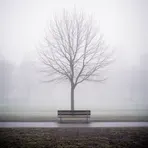
Something that has no color and looks grey or pale
Antonyms

How Colorless

Surface Forms
Morphology
achromatous = chromatous (semi-transparent) = a + chrom + ous
The prefix 'a-' denotes absence, and 'chromatous' relates to color, but the specific meaning of lacking color is not entirely obvious.
Etymology
Achromatous comes from the Greek parts a- 'not' and chroma 'color'. So it means 'without color', the same root you find in monochrome, and is used for things that have very little or no color.