

to accept
 ∞
1.3
∞
1.3

- verb
- /əkˈsɛpt/
- So people can either accept it or reject it.
- widely accepted
- generally accepted
- an accepted idea
Loading YouTube…
Watch on YouTubeIt was they did not want to accept gay marriage.
- It was they did not want to accept gay marriage.
- The test could just be whatever people accept as law is law.
- People not only like it or accept it, love it.
- I mean, what do you accept as evidence above all else?
- The question is, do they accept that facts are real?
- No, not that anyone but another Roga would accept this conclusion.
- And I had, I had accepted that that must be true.
- When they lose, it's a shit show because they don't accept election results.
- People have just come to accept that I'm a forgetful ass.
- So I wouldn't just accept that on face value at all.
Examples
-
And I am not going to accept this as my final answer.
-
After much discussion, the board decided to accept his findings as valid and useful.
-
We are being asked to accept them more or less on faith.
-
I want you to simply sit down and accept the simple fact.
-
The test could just be whatever people accept as law is law.
-
The question is, do they accept that facts are real?
-
So, all you have to do is accept my very sincere apology, and then this day can be over.
-
My personal policy is that I only accept friend requests from people I've actually met.
Academic text (2011) -
We know why he can't accept the IMF's advice.
-
Their embrace of Hart is understandable given how influential and widely accepted his theory has become.
Academic text (2017)
Synonyms
 ∞
1.0
∞
1.0
Accept that something is true or trust a person
 ∞
1.0
∞
1.0
Have the same opinion or say yes
 ∞
2.0
∞
2.0
Say that something is true without wanting to
 ∞
1.6
∞
1.6
To officially agree to something or think that it is good
 767
1.0
767
1.0
To accept that something may be true or plan for it
 390
3.9
390
3.9
To accept and start to use an idea or way of life
 377
1.4
377
1.4
To accept something as official or valid
 367
3.8
367
3.8
To admit that something is true or real
 146
4.9
146
4.9
To say that something is true even when you do not want to say it
 77
3.0
77
3.0
To accept an idea or belief as true
 70
6.0
70
6.0
Officially approve an agreement, law, or decision
 20
8.4
20
8.4
To accept something you do not want without complaining
 10
8.3
10
8.3
To allow something by showing approval
 4
6.6
4
6.6
To agree to a plan or idea, often formally

To give official permission to a plan or document by an authority
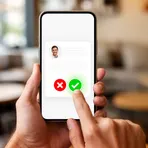
To accept an invitation, request, or terms online
Antonyms


How Certain

Surface Forms
Etymology
Accept comes from Latin parts ad- 'to' and capere 'take', so it can mean 'take into your mind'. A helpful image is 'taking' an idea into your head, which is why accept also means to believe or agree something is true.