
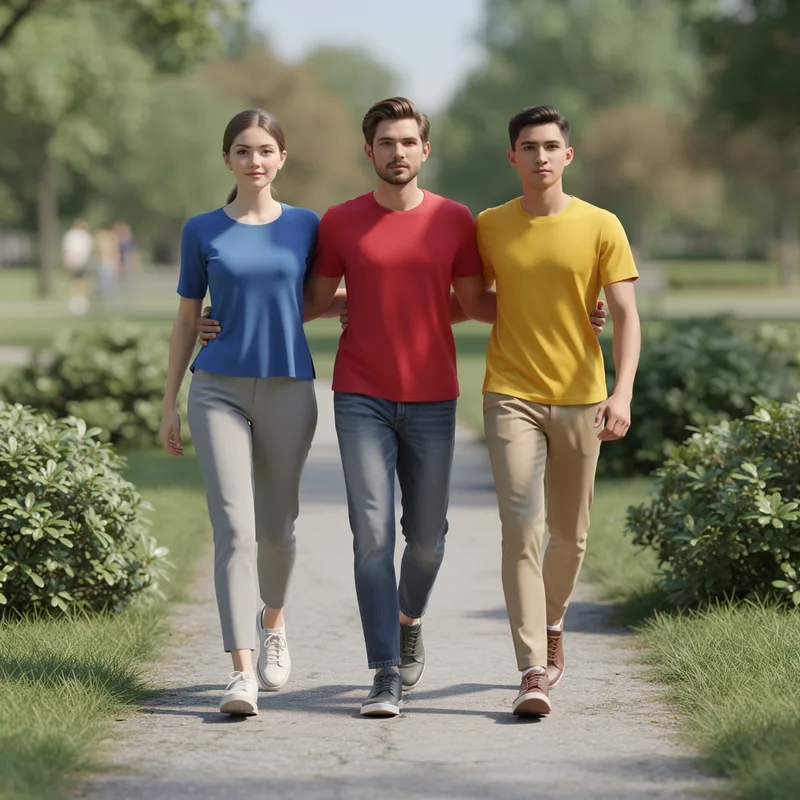
abreast
 2
5.8
2
5.8

- adverb
- /əˈbrɛst/
- Some magazines he read just to keep himself abreast, as he said, of what the dogs were up to.
- walk abreast
- stand abreast
- two abreast
Examples
-
We came abreast of the naked natives in an eerie slow-motion silence.
Fiction book (1994) -
Millet kept abreast of Sensier's weekly articles and occasionally gave more advice.
Academic text (2007) -
The crowd starts walking abreast to the vessels.
Fiction book (1992) -
We have chosen to have them walking four men abreast, A suitable width for most roads.
-
Try it on a nice July morning, and it's two blocks of cyclists abreast.
Blog text (6) -
Shorten sail until the other ships come abreast.
-
They've come abreast of the checkpoint, which can be seen in the distance through the trees.
Fiction book (2002) -
The sidewalk was wide enough for two people to walk abreast without bumping into each other.
-
Two cyclists rode abreast along the quiet country road, enjoying the view together.
-
As the parade moved forward, the dancers stayed abreast, performing in sync with each other.
Synonyms
 98
2.2
98
2.2
Next to each other in the same place
 20
3.3
20
3.3
Standing very close together in a row or group
 7
1.0
7
1.0
Next to someone or something, side by side
Antonyms

Surface Forms
Morphology
Etymology
Abreast comes from old parts a- 'at' and breast 'chest', where it meant being 'at the chest' of another person or ship — that is, side by side and facing the same way. That's why we still use abreast to describe people, runners, or ships moving 'side by side'.