
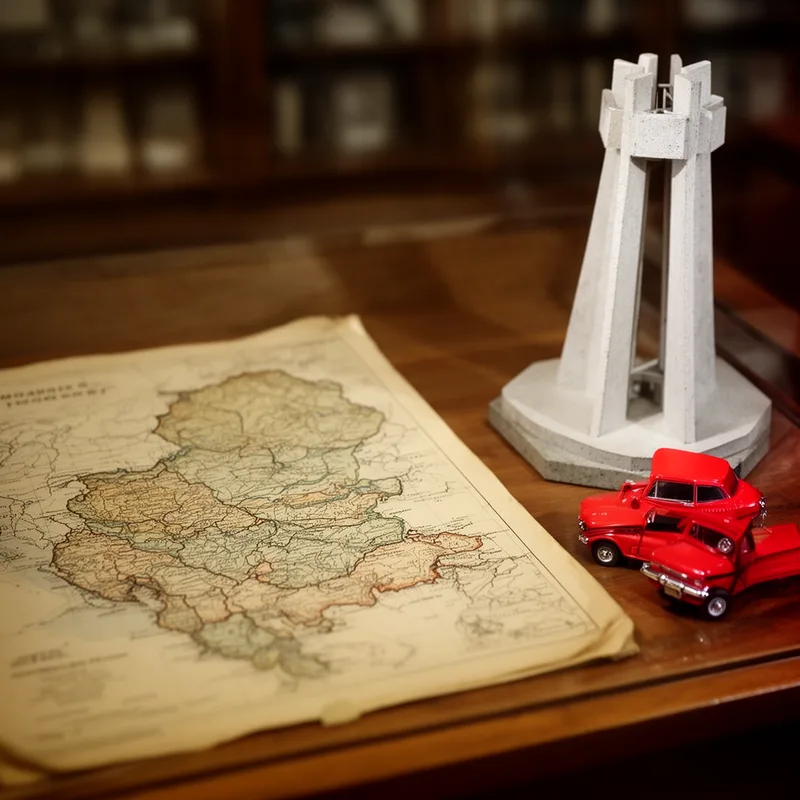
Yugoslav
 43
6.6
43
6.6

- adjective
- /ˈjuːɡəˌslɑːv/
- The Yugoslav national team competed fiercely in the international soccer tournament.
- Yugoslav republics
- Yugoslav army
- Yugoslav civil war
Loading YouTube…
Watch on YouTubeAnd yet still there are dark clouds on the Yugoslav horizon.
- And yet still there are dark clouds on the Yugoslav horizon.
Examples
-
All international agreements to which Serbia was a party were transferred to the Yugoslav state.
Academic text (1993) -
Ivo Andrich was the only Yugoslav author who has ever been awarded the Nobel Prize.
Fiction book (1995) -
Both my parents were Yugoslav immigrants; they met in New York after World War II.
Fiction book (1995) -
The first two years of the Yugoslav Jazz Festival consisted only of artists from Yugoslavia.
Academic text (2015) -
During the 1970s and 1980s, Yugoslav communism significantly changed its attitude toward religion.
Academic text (2015) -
Experts on the country had predicted that the Yugoslav federation would disintegrate when Tito died.
Academic text (1993) -
Croatia and Slovenia declared their independence from the Yugoslav federation in June 1991.
Academic text (1993) -
Unemployment stalled at a painful ten percent, and violent turmoil in the former Yugoslav republics rattled Europe's politicians.
Academic text (1992) -
The Yugoslav culture is known for its rich traditions and diverse influences.
-
Many Yugoslav artists contributed significantly to the development of modern art in Europe.
Synonyms
 7
4.8
7
4.8
Relating to the former country Yugoslavia, its people or its languages
Surface Forms
Etymology
Yugoslav comes from the local name Jugoslav, made of jug 'south' and Slav 'Slavic person'. So when we call art or culture 'Yugoslav' we mean it is from the land of the South Slavs, the former country Yugoslavia.