

XXY-syndrome
- noun
- /ˈɛksˈɛksˈwaɪ ˈsɪnˌdroʊm/
- Specialized
- The doctor explained that XXY-syndrome can lead to infertility in some men.
Examples
-
Many men with XXY-syndrome experience hormonal imbalances.
-
After genetic testing, he was diagnosed with XXY-syndrome.
-
Awareness of XXY-syndrome has led to better medical support for those affected.
-
The doctor diagnosed him with XXY-syndrome.
-
After genetic testing, he was diagnosed with XXY-syndrome which can affect his physical development.
-
Awareness of XXY-syndrome has led to better medical support for men who experience its symptoms.
-
The doctor explained that men with XXY-syndrome might face challenges related to fertility.
Synonyms


 1
9.9
1
9.9
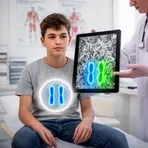
A male with two X chromosomes and one Y chromosome

A genetic condition in males with an extra X chromosome causing small testes, low sperm, and learning problems

A condition in males when they have an extra X chromosome that makes the testicles small and reduces sperm
Surface Forms
Morphology
Etymology
XXY-syndrome: The name XXY-syndrome comes from the way scientists write the sex chromosomes: X and Y, and XXY means 'two Xs and one Y'. So the name tells you the cause — a man has an 'extra X chromosome', which helps explain the effects on growth and the ability to have children.