
Typhaceae
- noun
- /taɪˈfeɪʃiˌi/
- Specialized
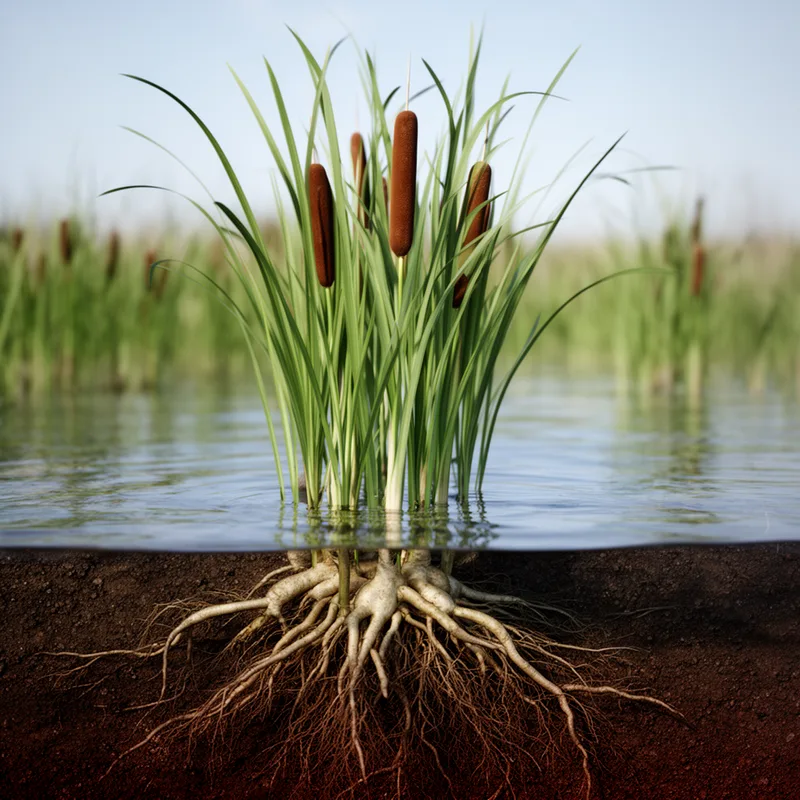
- The most familiar members of the Typhaceae are the common cattails seen alongside ponds and lakes.
Examples
-
The Typhaceae are often found in wetlands throughout temperate regions of the world.
-
Many gardeners appreciate the Typhaceae family for their unique appearance and ability to thrive in wet conditions.
-
Scientists studied the Typhaceae family to understand their adaptation to marshy habitats.
-
The Typhaceae family includes plants commonly found in wetlands.
-
Many gardeners appreciate the Typhaceae for their unique appearance.
-
The most familiar members of the Typhaceae are the common cattails seen alongside ponds and lakes.
-
The Typhaceae are often found in wetlands throughout temperate regions of the world.
Synonyms

Group of wetland plants like cattails with long narrow leaves and spreading roots

A group of tall marsh plants like cattails with long leaves and brown flower spikes
Compounds
- Specialized
Group of wetland plants like cattails with long narrow leaves and spreading roots
Surface Forms
Morphology
Typhaceae = Typha (opaque) = Typha + aceae
Formed from the genus name 'Typha' plus the specialized botanical family suffix '-aceae', a naming convention unlikely to be transparent to average learners.
Etymology
Typhaceae comes from the plant name Typha, a word for the 'cattail', plus the Latin ending -aceae meaning 'family'. So Typhaceae simply means the 'cattail family', the group of marsh plants you see by ponds and lakes.

