
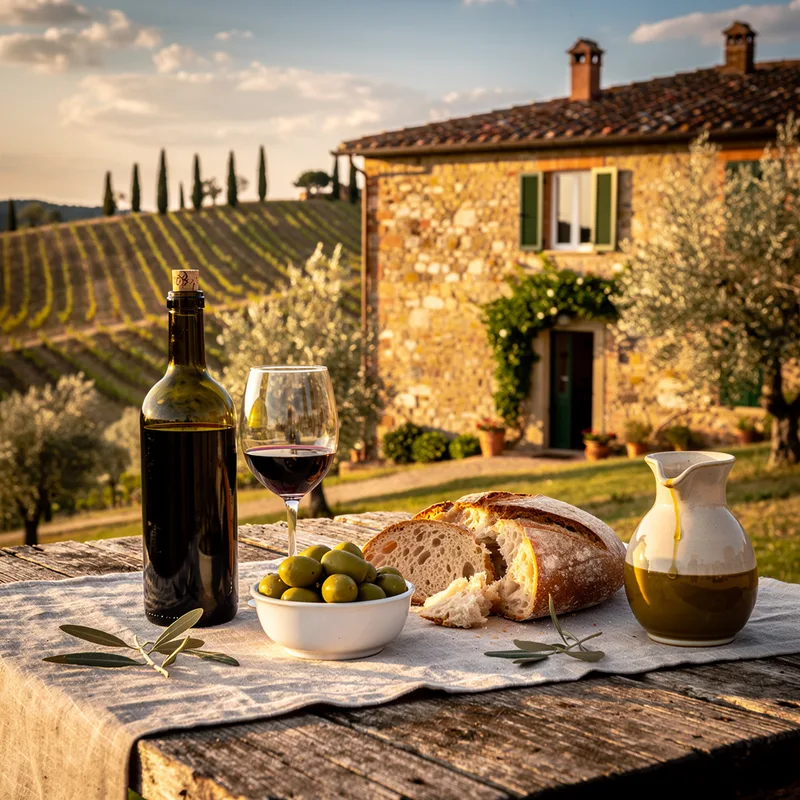
Tuscan
 12
5.7
12
5.7

- adjective
- /ˈtʌskən/
- I'm actually not a big fan of kale (except for the Tuscan kind), but this does sound good!
- Tuscan town
- Tuscan city
- Tuscan state
Loading YouTube…
Watch on YouTubeJulie and I Co hosted our retreat that we've done many times in the Tuscan countryside.
- Julie and I Co hosted our retreat that we've done many times in the Tuscan countryside.
- This happens all the time that they've never even been to the place where the Tuscan village and the suburbs is going to be put.
Examples
-
Lazily gaze across the Tuscan hills as you dine and swirl wine on the terrace of Ristorante Campo del Drago.
-
Julie and I Co hosted our retreat that we've done many times in the Tuscan countryside.
-
The Tuscan samples were taken from individuals whose families had lived in the area for at least three generations.
Academic text (2010) -
It appears to be of Tuscan design.
-
After a month of pure Tuscan air ... you'll look as ... pretty as a picture.
-
It belonged to a Tuscan Family.
-
The quality of the wines produced from the French varieties on Tuscan soil has drawn rave reviews.
Academic text (1993) -
Michelangelo was born in 1475 in the Tuscan village of Caprese... where his father was the mayor.
-
Marina di Pisa, the oldest resort on the Tuscan coast, began as a resort for Pisa in the nineteenth century.
Academic text (2008) -
The hotel is known for its authentic Tuscan cuisine, featuring traditional dishes and local ingredients.
Synonyms
 580
1.6
580
1.6
Relating to Italy, its people, or its culture
Compounds
- Specialized
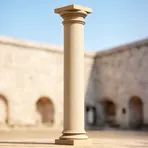
A simple Roman style of column with a plain shaft and simple base and capital
How Specific


Surface Forms
Morphology
Etymology
Tuscan comes from the Latin Tuscanus, 'from Tuscany', and is related to the old people called the Etruscans, so the word points to that place and its history. That's why we use Tuscan as an adjective for things—food, art, language, or style—that come from Tuscany.