
Trichoderma


 1
8.4
- proper noun
- /ˌtrɪkəˈdɜrmə/
- Specialized
- The principal agents in the compost extracts appear to be bacteria representing, but not necessarily limited to, the genera of Bacillus, Pseudomonas, Serratia, Penicillium, and Trichoderma.
Examples
-
Microorganisms that may be able to degrade the wastes are white rot fungi such as Trichoderma sp. and Phanerochaete sp.
Academic text (1998) -
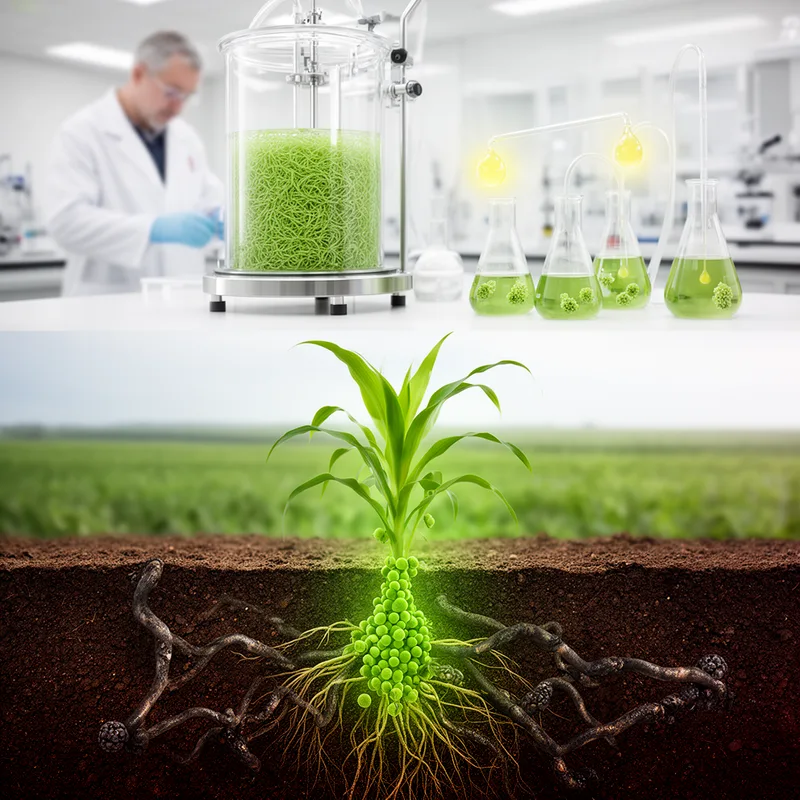
Research has demonstrated that Trichoderma can enhance soil health and increase plant productivity.
-
Dr. Didi Gunadi from the Indonesian Agricultural Department has developed the composting process with Trichoderma pseudoconingii for this waste.
Academic text (1998) -
"DNA sequencing has shown that the genus Gliocladium is an unnatural group," says Samuels. "What was called Gliocladium virens is actually a species of Trichoderma."
Academic text (1995) -
The suppressive effect of the composted larch bark by itself against Fusarium crown rot was significant and also attributed to the activity of isolates of Trichoderma spp.
Academic text (2000) -
Farmers use Trichoderma to help protect their crops from diseases while promoting healthy growth.
-
In biotechnology, scientists often study Trichoderma for its potential benefits in sustainable agriculture.
Surface Forms
Morphology
Trichoderma = tricho + derma
The word is a Latin/Greek scientific name composed of combining forms ('tricho-' + 'derma') and is not transparently interpretable by an average B1 learner.
Etymology
Trichoderma comes from the Greek parts tricho- 'hair' and -derma 'skin'. Because these fungi look 'hairy', the name means 'hairy skin', which gives a simple picture for the fungus people use in agriculture and plant science to protect plants and make useful enzymes.